Aidos K.
They arrived in forty minutes, I hadn't even finished gathering the bags. They took everything, including the old bathtub I hadn't even mentioned. The price was as agreed in the chat.

Send a photo of the waste — we'll pick the right truck and volume
Five questions — and you see the price from our rate card. No contact fields: your estimate goes to WhatsApp as a single message.
Choose your equipment — we'll show the price per trip from our rate card.
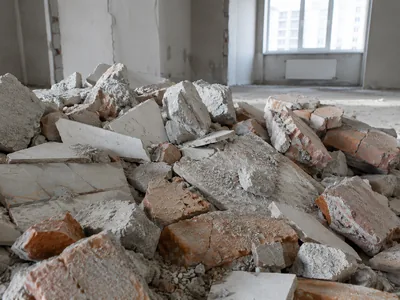
Waste after construction and renovation — we pick it up in a container or dump truck.
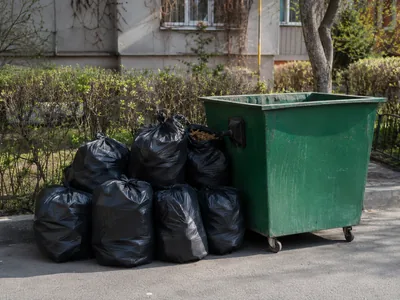
The stuff that piles up at home and in the office and won't fit in a regular bin outside.
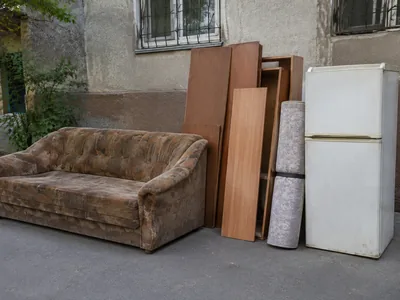
Furniture and appliances you can't carry down the stairs yourself.
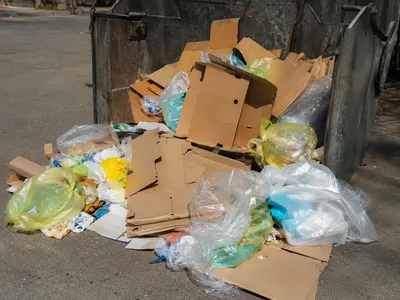
Municipal solid waste — one-time or on schedule, for yards, cafes and offices.
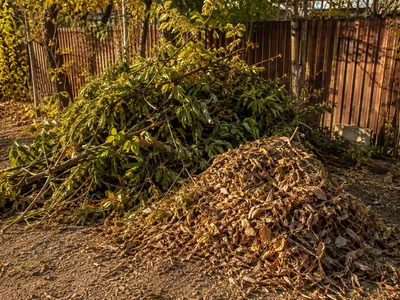
After pruning the garden and fall cleanup. We load it in bulk.
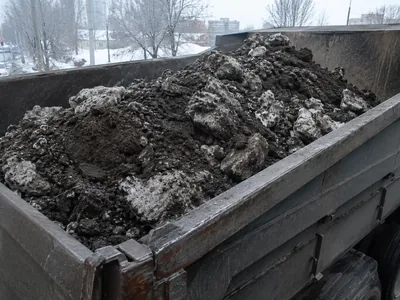
Heavy loose materials — dump truck only, priced by tonnage.

Courtyards, parking lots, roofs. Loose snow goes with a GAZelle and a crew, packed snow and ice crust — with a ZIL.
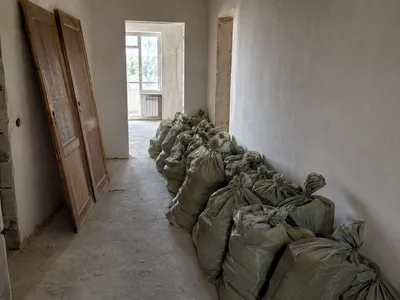
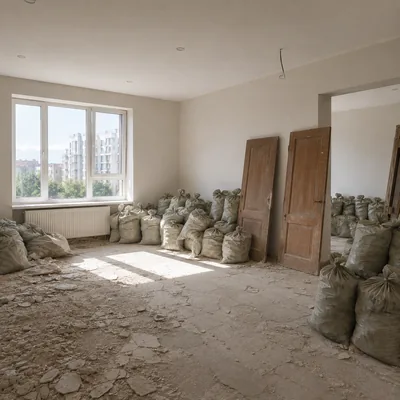
Bags of plaster, old doors, windows, laminate offcuts.
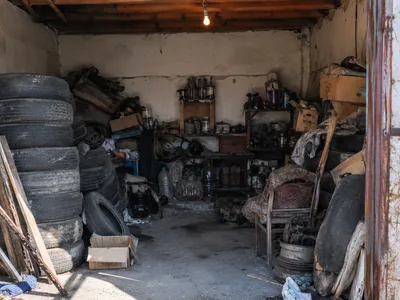
We clear the clutter with you: whatever needs to go — we load it right away.
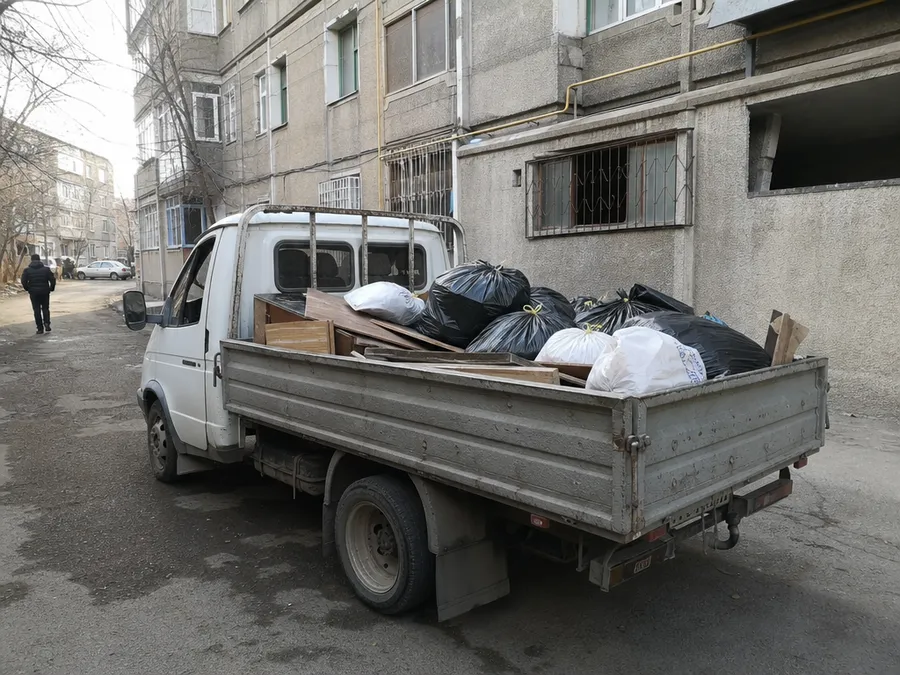
Courtyards with narrow driveways, entrances without space for a dump truck. Up to 50 bags per trip.
Learn more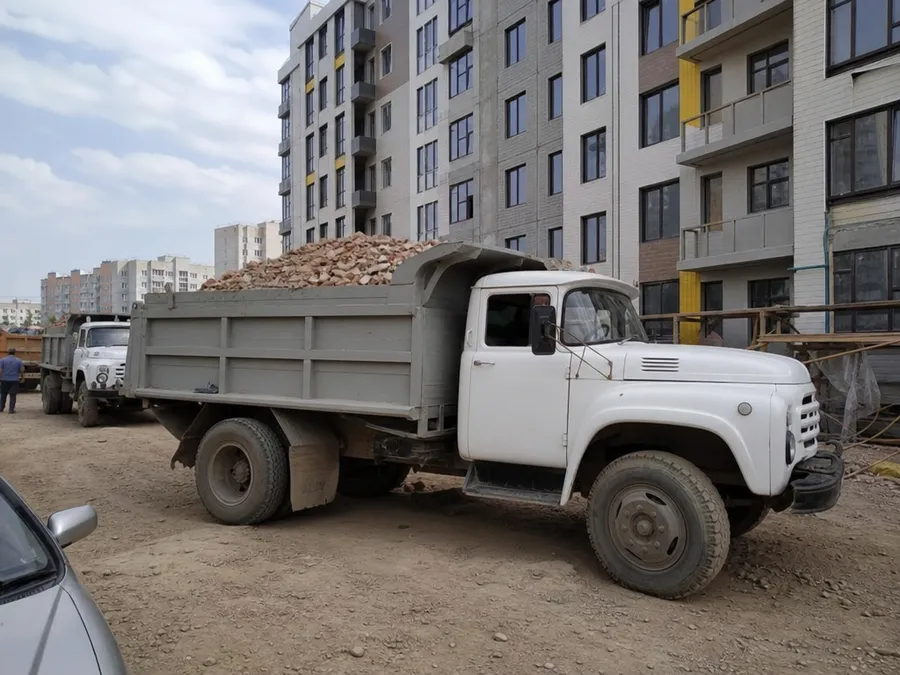
Construction waste, soil, snow. ZIL and KAMAZ — where you need volume and tonnage.
Learn more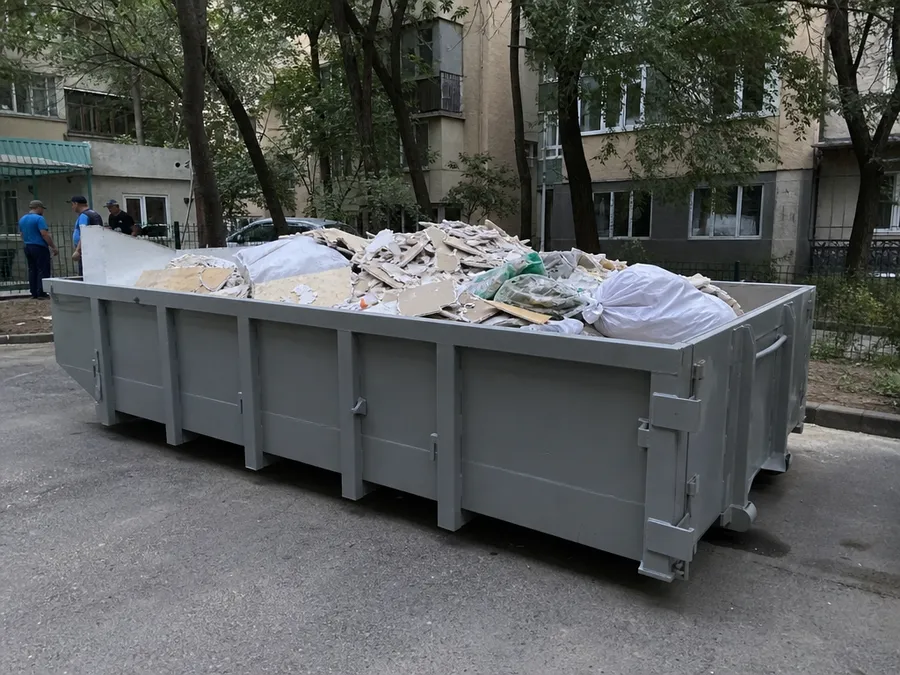
The container sits on site, you load at your own pace — we pick it up when you call.
Learn more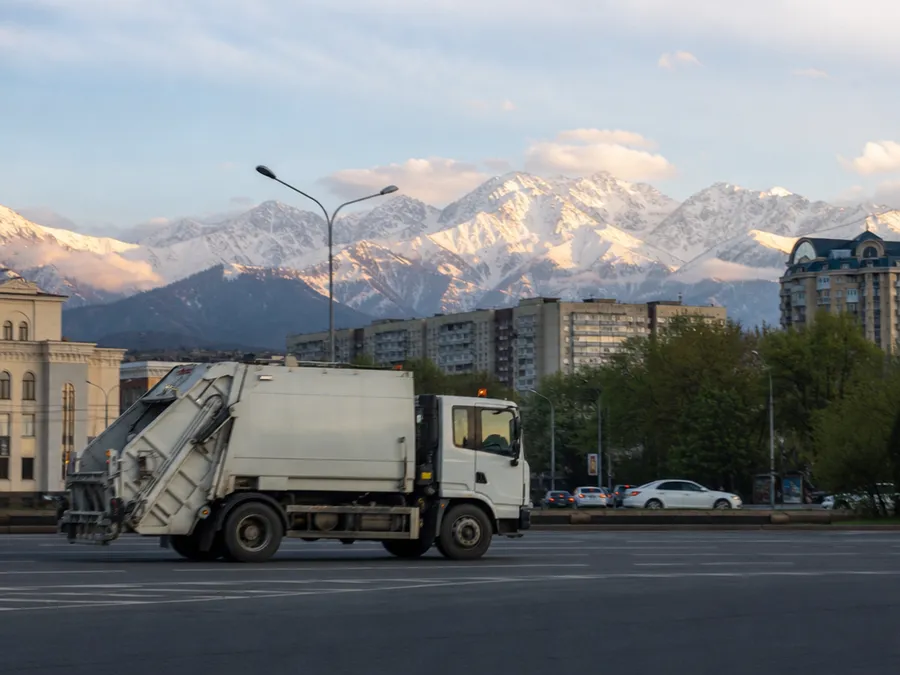
No rush fee — if a truck is free, the price is the same as booking for tomorrow.
Message us on WhatsApp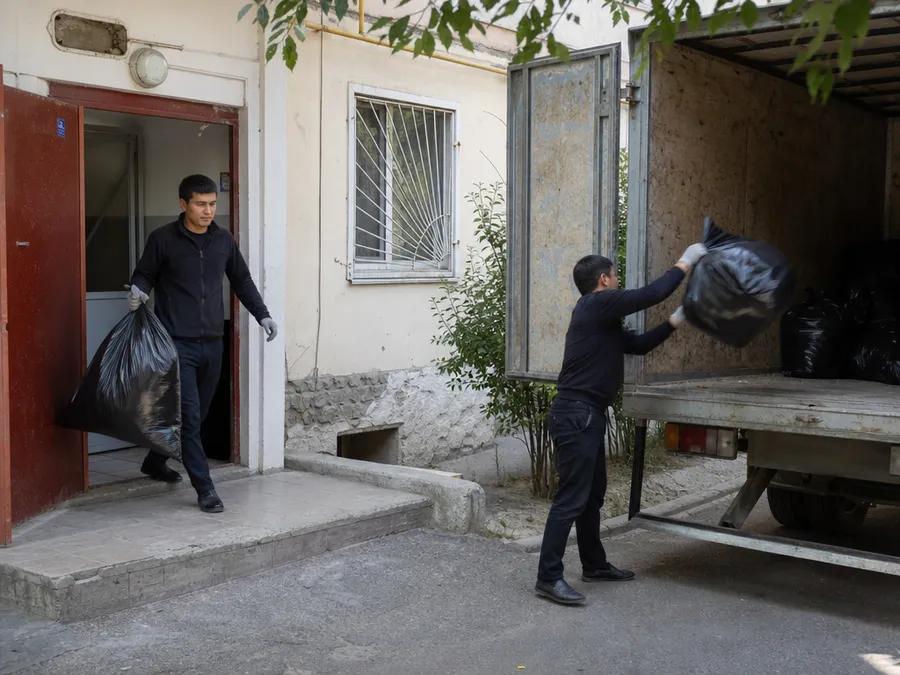
Carrying out from apartments, basements, and garages. Ready crews for GAZelle, ZIL, and KAMAZ.
Learn more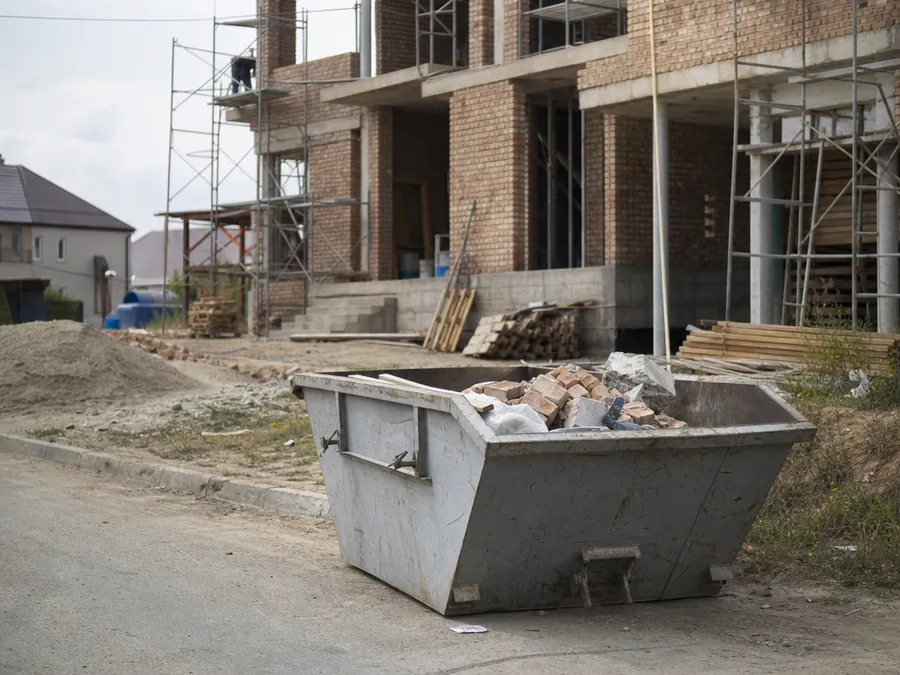
Monthly rental cost depends on the site, volume, and pickup frequency. No made-up numbers — we'll calculate for your site.
Get a price on WhatsAppWe match the truck to the volume, not just 'whatever's available.' Below is what each vehicle does and how much a trip costs.




Valid from August 2026 · price per trip within the city
| Equipment | Volume | Payload capacity | Price per trip | Extra hour |
|---|---|---|---|---|
| GAZelle 1.5 t | 12 m³ | up to 1.5 t | 30 000 ₸ | 6 000 ₸ |
| GAZelle 2.5 t | 16 m³ | up to 2.5 t | 35 000 ₸ | 9 000 ₸ |
| Truck 5 t | 25 m³ | up to 5 t | 40 000 ₸ | 12 500 ₸ |
| ZIL dump truck | 7–12 m³ | up to 7 t | 40 000 ₸ | 12 500 ₸ |
| KAMAZ dump truck | 15 m³ | up to 20 t | 55 000 ₸ | 15 000 ₸ |
| Howo dump truck | 25 m³ | up to 40 t | 60 000 ₸ | 15 000 ₸ |
| PUHTO (skip) | 8–10 m³ | up to 7 t | 45 000 ₸ | — |
| Multilift | 20 m³ | up to 12 t | 100 000 ₸ | — |
| Skip | 27 m³ | up to 15 t | 135 000 ₸ | — |
| Max skip | 32 m³ | up to 20 t | 160 000 ₸ | — |
Prices apply within Almaty city limits. Outside the city, mileage is added — we calculate it in chat before dispatch.
Not sure which truck you need? Send a photo — we'll pick one for you.
Message us on WhatsAppWe take on everything you'd usually have to do yourself before the truck arrives.
Five steps. At none of them will you be asked to fill out a form or pay a deposit.
Start with step oneDescribe the job or send a photo — photos help us pick the right truck and volume more accurately.
We calculate the volume, choose the truck, and lock in the price. The price doesn't change after dispatch.
From 30 minutes within the city. We work seven days a week, including evenings.
Loaders carry items out of the apartment, basement, or garage. We'll pack and sort if needed.
We take it to disposal and sweep the site after loading.
Volume, equipment, timing, and final price — per the price list above, no retroactive recalculations.
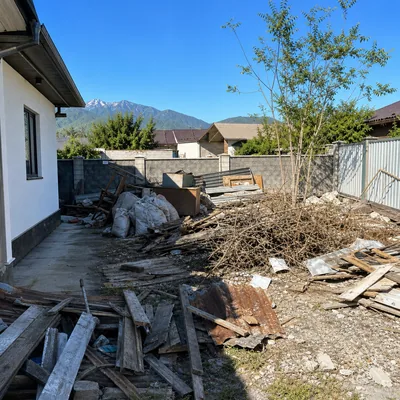
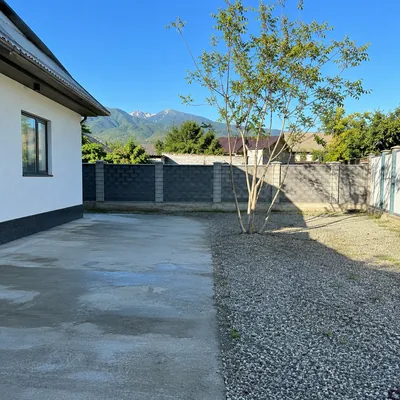
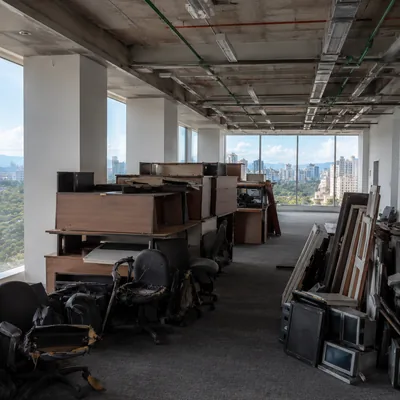
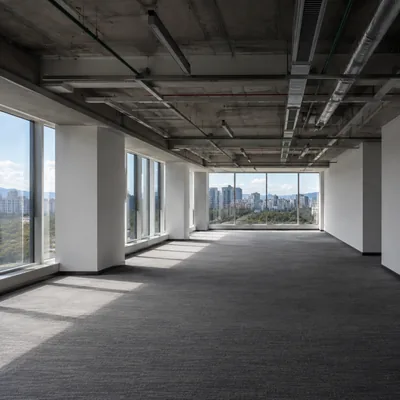
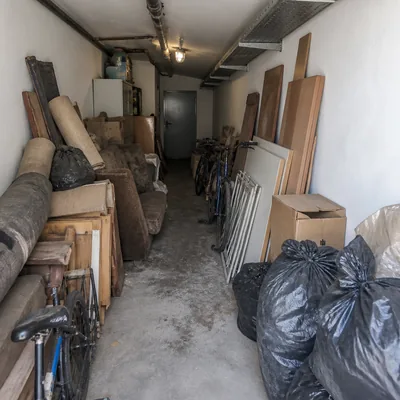
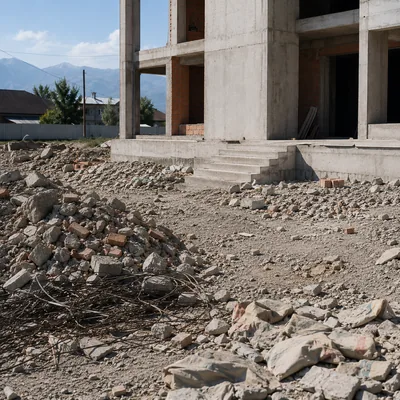
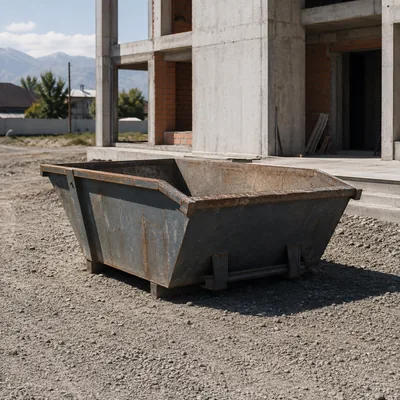
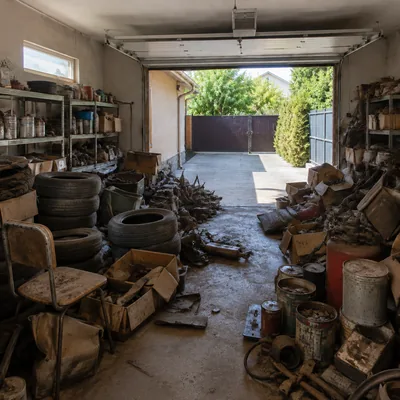
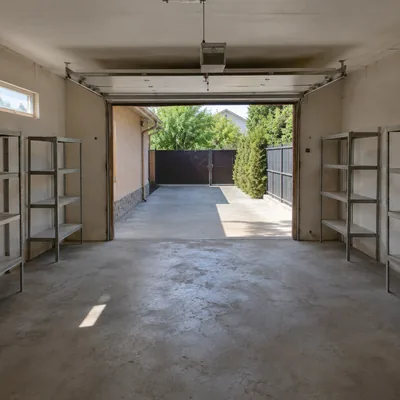

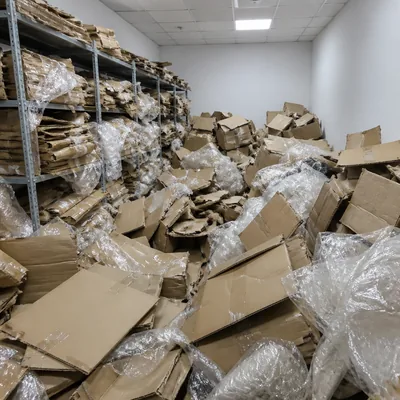
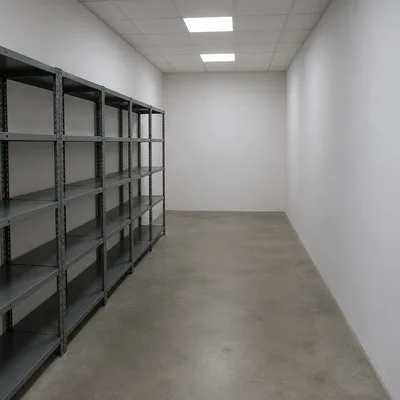
The ones who take your request, drive the truck and carry the bags.







People call and the first thing they ask is: how much will waste removal in Almaty cost? Honestly, I can't tell you over the phone — not until I see a photo. Volume is almost always underestimated in your head, not on paper. I remember a case: a client swore it was 'half a GAZelle,' but in the yard stood a mountain of construction waste from a three-room renovation — a GAZelle only took half of it. It's not greed or a scam, it's physics: you can't fool cubic meters.
Over the years, I've figured out one simple thing. People look for garbage removal companies in Almaty, going by the price in the ad, and then are surprised when it ends up costing more. Why? Because the ad shows the base rate, but in real life you add the floor, the elevator, the weight, the distance to the landfill, the driveway. These aren't "extras" — they're parts of one total. And it's better to add them up right away than to haggle at the entrance.
This article isn't about how great we are — it's about how waste removal works from the inside. We'll break down what makes up the price, how to estimate volume from a photo and by eye, how household waste differs from construction debris, where you can't dump and why it costs you big time. Plus — why one trip is sometimes better than two, and what people ask most often when the truck is already at the entrance. This isn't an ad, it's a full breakdown of the job.
The price for garbage removal in Almaty is never just one number. It's a sum of five or six parameters, and each one pulls it in its own direction. Volume, weight, floor, elevator, distance to the landfill, driveway. Remove any one — and the calculation falls apart. That's why I don't give a final figure over the phone: saying "this much" and then adding on site is a sure way to fray nerves — both yours and the client's.
Let's start with what you can see. Then — what becomes clear in the yard.
Volume is the truck body. GAZelle, ZIL, dumpster. Weight is what the scales at the landfill say. And here's the main trap: soft junk looks big but weighs little. An old sofa, mattresses, pillows, rags, foam — you can fill the whole truck and still be under a ton. Concrete rubble or tiles are the opposite: a small pile by the curb, and the truck is riding on its springs.
So when you request, I don't ask 'how many cubes' but what's inside. Because household waste removal in Almaty and construction waste removal are two different calculations for what seems like the same volume. Soft waste goes by volume, heavy by weight. Mix them up, and the wrong truck shows up.
Hauling almost never ends at the curb. The pile has to be carried out. And that's where the stuff ads never mention kicks in. A third floor with no elevator isn't "a bit longer." It's many times more time and hands. A loader with a sofa on the stairs between the second and third floor is the most expensive minute of the shift.
An elevator helps, but not always. In Khrushchyovkas the cabin is narrow, a sofa won't fit — and it's still carried by hand. And sometimes the truck can't even get into the yard: narrow driveway, barrier, parked cars. Then every meter from the entrance to the truck bed is also work, and no one's canceled that.
The distance to the landfill means fuel, time, and mileage. The farther the site, the longer the truck is on the road and the fewer trips per day. Which means each individual waste removal costs more. It's not our whim, it's arithmetic: a loop across the city and back eats up hours that could have gone to the next job.
Within the city we charge by actuals, outside the city mileage is added. And another nuance — the queue at the entrance. In the morning the site accepts quickly, closer to evening there's a traffic jam of dump trucks, and that's also time the truck spends standing.
Time of day doesn't affect the price: evening, weekends, and urgent calls cost the same as a weekday morning. But it does affect timing. A morning slot means open roads, a quick drive, a short line at the landfill. Friday evening means traffic jams, packed sites, and a truck stuck at the entrance for an hour. Same price, longer wait.
So why do two half-GAZelle trips cost more than one full one? Simple. Each trip is a separate run: dispatch, loading, drive there, queue, drive back. If you split the load in two, you pay all those overheads twice. One full trip does the same work in one go. That's why 'cheap waste removal almaty' is more about gathering everything into one dispatch, not about finding a magic rate. Waste removal companies in Almaty that quote a price over the phone without a photo usually make up the difference on site — and that's exactly the difference you'd better see upfront.
So the total comes down to: volume, weight, floor, elevator, driveway, and distance. Give us honest answers — and the number won't change after the truck pulls up to your entrance.
A tape measure is usually unnecessary. Hands, eyes, and a phone work faster. I usually arrive at the site with a notebook and string, but before that the client describes the picture over the phone: "two bags," "half a truck," "a little." Then the arithmetic begins, where the client and the foreman almost never agree on the first try. And not because anyone's lying — it's just that everyone has their own unit of measurement.
The client counts in bags. The foreman counts in cubic meters. The difference isn't cosmetic: a standard 60-liter bag is 0.06 cubic meters, while a 120-liter bag is already 0.12. A twofold difference for the same word "bag" in conversation. That's why it's better to start an order not with haggling, but with clarifying: what kind of bags, construction or household, packed or not. Until those questions are asked, any number quoted is a fantasy.
The most reliable way is to match the pile to a familiar image. A GAZelle takes 12 m³, up to 50 bags — but only if you load it neatly, with no air between the boards. A ZIL dump truck — seven to twelve. A 32-cube skip is a whole different story: everything goes in, no sorting, and that's exactly the option people are looking for when they type "waste removal Almaty" after a major renovation.
It always fits less than it seems. The reason is empty space. Old furniture, boxes, branches, pieces of drywall don't stack tightly, and a third of the volume is left between them. You can't see it in a photo, but on the scales — oh yes. That's why the foreman looks not at the area of the pile, but at its height and what's inside.
Let's do the math. A 60-liter bag is 0.06 cubes. A 120-liter bag is 0.12. But construction waste in a bag weighs much more than household waste: broken brick has a density of almost one and a half tons per cube, while old things are two to three hundred kilograms. That means the load might fit by volume, but the truck is already overloaded by weight. And vice versa: foam, plastic, cardboard look like a huge mountain but weigh almost nothing.
That's exactly why waste removal can't be planned by cubes alone. You need a second parameter — weight. A GAZelle with broken brick will take less than with sofas, even though the body is the same. Clients don't think about this, but they should: an overload means a fine at the checkpoint and an extra trip that nobody planned for.
Ask about waste disposal tickets and other paperwork for the trip in advance: message us on WhatsApp before the pickup — we'll tell you what we can arrange for your load.
One photo tells you nothing. You need two: eye level to see the height, and from above to judge the area. And always include something for scale: a door, a car wheel, a person. Without it, the photo turns into a riddle. That "mountain" in the shot could be two cubes or ten.
Light matters too. In the evening, under a flashlight, shadows stretch, and the pile seems bigger. During the day — the opposite, everything hides in flatness. So ask them to photograph in daylight and from two points. That's enough to give a volume range and not overpay for an extra trip. Though honestly — there are cases when even two photos aren't enough, and then I ask for a ten-second video.
| Reference | Volume, cubes | Weight, kg |
|---|---|---|
| 60 L bag, household | 0,06 | up to 15 |
| 120 L bag, construction | 0,12 | up to 60 |
| GAZelle 1.5 t | 12 | up to 1500 |
| ZIL dump truck | 7–12 | up to 7000 |
| Dumpster 32 m³ | 32 | up to 20 000 |
The classic: 'the room is twenty square meters, so there's twenty cubes of waste.' No. The waste lies in a layer of half a meter, and the real volume is six to eight cubes, not twenty. But if the same waste is piled in a corner up to the ceiling, the count flips the other way. Area is about the floor, not the pile.
It can be the opposite too. The client is sure they'll remove everything in one go because 'the room is small,' but in reality, demolishing an old bathroom yields three cubes of just tiles. Plus the screed, plus pipes, plus door frames.
To avoid guessing, use a simple procedure. It saves both time and money on a second trip.
After that, the conversation about the trip becomes concrete. The foreman sees the picture and gives you a range, not a mysterious "well, somewhere around that." And if you want to haul away trash in Almaty cheaply, it's precisely an accurate estimate that makes it possible — no extra trip and no paying for air in the truck bed.
Another thing about the floor. Trash on the first floor and trash on the ninth are two different jobs in terms of labor. Even if the volume is the same. An elevator helps, but not always: you can't shove old furniture into it, and carrying broken bricks in bags up and down is a separate job. This isn't an "extra," it's part of the scope of work, and it's better to discuss it in advance.
And lastly. Don't try to guess the volume more precisely than ten percent — nobody needs that. It's enough to be in the ballpark, and the foreman will refine the final number on site. He sees the load in person, and his eye is more accurate than any photo.
Let me start with what I see every day. Kitchen bags, bottles, cardboard, old shoes, kids' toys, a broken chair — all of that goes out in one GAZelle if you've got five or six cubes. It's called MSW, municipal solid waste. Its weight is deceptively small: a cubic metre of household waste rarely weighs more than two hundred kilos. That's why household waste removal from an apartment is about volume, not tonnage. Pack it down, toss it in, drive it off.
It's a different story when there's a wardrobe and a sofa in the yard. Here the volume is limited by dimensions, not weight. A fridge takes up a cubic meter but weighs sixty kilos, while a cast-iron bathtub — same footprint, but lifting it with four people is hard. This is bulky waste, BWM, and we treat it as a separate line item in the conversation.
And there's a third layer — construction waste. That's where the real work begins. Concrete, gypsum, ceramic tiles, leftover screed. A cubic meter of that load is one and a half to two tons. A GAZelle won't help here; you need a ZIL or a dumpster.
A textbook would say: consumer waste. In real life, it's what you've carried out of your apartment over a month. Bags, boxes, old clothes, food scraps. There's little hazardous stuff — batteries and lamps — and we take those as a separate request: apart from other garbage, to a specialized organization.
A cubic meter of household waste is about 180–220 kilograms. Compacted — up to three hundred. That's why a GAZelle is enough for a two-bedroom apartment after a deep clean. But from a five-story building without an elevator, the same truck fills up faster — thanks to cardboard and furniture.
A sofa bed weighs from eighty to one hundred twenty kilograms. A sliding wardrobe — up to two hundred if it's made of particleboard, and up to three hundred if it's solid wood. A cast-iron bathtub — one hundred fifty kilos or more, and it takes two people to carry it out, preferably three.
The problem isn't even the weight. The problem is the dimensions. A sofa only comes out of the entrance sideways, and in some buildings it doesn't come out at all — you have to disassemble it on site. That adds work but saves time on carrying it out.
One more thing: bulky waste can't go in the same truck as household trash if you're heading to sorting. A sofa takes up half a GAZelle, and bags of household garbage won't fit around it. Two trips won't cost half as much as one — they'll cost more, because you're paying for both trucks.
I remember we got a call for removal after a renovation, and there were three cast-iron bathtubs and an old boiler. The owner says — half an hour of work. We spent four hours hauling it out because the freight elevator wasn't working. Since then I always ask about the elevator before dispatch.
Construction is its own category. Drywall, concrete chunks, ceramics, plaster, old windows, pipe pieces. A cubic meter of concrete is two and a half tons. A cube of gypsum is a ton or so, but it crumbles and flies all over the truck bed.
Tile is a tricky thing. Looks compact, but at the bottom of the bag it's ten to fifteen kilos per square. After demolishing a bathroom, you can end up with up to a ton of just tile.
Construction waste removal in Almaty is often ordered after renovating a single apartment. And almost everyone is surprised: how did one room produce eight cubes? Because walls, floor and ceiling are three planes, and each one sheds a cube or a cube and a half.
Sometimes everything is in one pile: bags of household waste, an old wardrobe, and concrete rubble. Technically, it can be removed. But mixed loads usually cost more, and here's why. First, weight: concrete makes the truck heavier, and you need bigger equipment for it. Second, a mixed pile takes longer to load: heavy stuff at the bottom, light stuff on top — and that's crew time.
Here's the practice: if you can, split it into two trips. Household waste goes in a GAZelle, construction waste in a ZIL or a skip. That way the truck isn't overloaded, and there are fewer problems at disposal.
Another nuance: tell the dispatcher in advance what you're hauling and roughly how many cubes — you'll save yourself both time and money.
And lastly. Garbage removal companies often charge a higher rate for mixed loads. We don't have such a rate: we calculate by the price list — truck, loaders, volume. But a mixed load is heavier, and it needs a bigger truck or a second trip. If you separate it, it'll be cheaper — and you'll see that on the invoice.
The truck leaves — and it seems like that's it, case closed. In reality, half the work is just beginning. Hauling works like this: loading is the middle of the route, not the finish. Next the load has to be delivered, processed and dumped properly — otherwise the fine lands not on you, but on us.
Our movers carry everything out themselves. It's not 'we'll show up and you figure it out' — it's real work: entrance, stairs, elevator, ramp. If there's a freight elevator — great. If it's a passenger one — we count on the spot, because a sofa might not fit, and then it goes down the stairs. After that, it depends. On the third floor with no elevator, hauling out one sofa takes about twenty minutes; on the first floor, three.
About the entrance separately. Narrow stairwells in Almaty's khrushchevkas are a classic: a fridge barely fits, and a wardrobe has to be taken apart. We warn about this in advance, not during the job. And yes, neighbors. If cars are parked in the yard so a GAZelle can't get in, carrying stuff out turns into a relay across the whole yard. That's also time and effort.
The site stays clean after loading. Not "well, we kind of swept it," but properly: broom, dustpan, and a shovel if needed. Construction debris scatters, household waste leaves marks, and you can't just leave that in the yard. Waste removal also means cleaning up the spot you took it from. Otherwise, the next day your neighbors will file a complaint, and you'll be the one dealing with it, not us.
Sometimes the client asks: "leave it, I'll sweep." We don't leave it. Because after a heavy load, concrete dust stays on the tiles, and a broom won't get it. We carry a brush and bags for the leftovers — it's part of the job, not a favor. Honestly, it's cheaper to sweep right away than to explain things to the management company later.
| Stage | Who does it | How long it takes |
|---|---|---|
| Loading and carrying out | TRASHOFF loaders | 20–90 minutes |
| Sweeping the site | Loaders | 5–15 minutes |
| Drive to the site | Driver | 30–70 minutes |
| Unloading | Crew | 15–40 minutes |
| Paperwork and disposal | Company | 20–60 minutes |
The short way isn't always the fast way. Through the center during the day means traffic jams, and a loaded GAZelle moves slower than a car in the flow. Sometimes it's better to take a detour on the ring road than to sit on Abay. From experience, a fifteen-minute difference is normal, and it's already factored into the job.
There's another thing. Different sites accept different things, and the route depends on what's in the truck. Construction debris goes to one site, household waste to another. If it's mixed in the truck, you either sort on the spot or drive further. That's why we ask what exactly the load is when you book — not out of curiosity, but to avoid extra trips.
Mileage outside the city is calculated separately. That's not greed, it's fuel and the driver's time. "Waste removal Almaty cheap" is about the city, not Talgar and not Kaskelen. Though we go there too if needed — the route is just longer.
A landfill isn't a dump where anything goes. There's a regulation: what's accepted, in what form, at what price. Waste removal companies in Almaty all work by the same rules, it's just that not everyone tells you about them. Construction waste — brick, concrete, tiles, drywall — goes in one category. Household waste in another. Bulky waste in a third.
But here's what you can't do. Construction waste mixed with hazardous waste — for example, leftover bitumen or asbestos — won't be accepted at a regular landfill. Batteries, lamps, paints, solvents we take as a separate request and bring to a specialized organization, not to the landfill. If we find any of that in the common pile, the truck will be turned away, and you'll have to go again. We check for this during loading so there are no surprises at the entrance.
Here's what the route looks like step by step:
A separate question is waste disposal tickets. That document confirms the load was handed over, not dumped in a field outside the city. If you need one in hand, message us on WhatsApp before the pickup: we'll look at your case and tell you what we can arrange. Invoices, contracts and completion certificates for legal entities are handled as usual — that's bookkeeping, not disposal.
And one more thing. Household waste removal isn't just about hauling it away. It's also about making sure the truck leaves empty and comes back empty, and the load ends up where it belongs. The whole point of the route is to see it through. Garbage doesn't vanish by magic — it moves to where it's supposed to be. Everything else is just talk.
Read this far and still not sure about the volume? Send us a photo — we'll calculate and give you a price.
Message us on WhatsAppPeople rarely talk about this, and they should. Every week someone asks: don't take it to the landfill, take it out of town to a ravine — there's space there. It'll be cheaper. We refuse — and I'll explain why, because the risk here isn't ours, it's yours. The truck leaves, but the garbage stays behind with your traces: receipts, invoices, boxes with your delivery address, old furniture your neighbors recognize from the yard. Waste removal isn't about "getting it out of sight" — it's about delivering it to a place where it's accepted by the rules. Everything else is just putting the problem off for later.
The logic is simple: the landfill charges by the ton, a field doesn't. That's how "off-the-books" runs happen. But this kind of saving has a short shelf life. Illegal dumps in Almaty are found regularly — the akimat cleans them up at the budget's expense, then looks for whose address it came from. And they find it, if there's anything identifiable in the pile. From experience: the ones who get caught most often are exactly those who saved on household waste removal by skipping a run or two. The win is pennies, but the conversation that follows isn't about pennies anymore.
Another nuance few people think about. A ravine outside the city isn't neutral territory. It could be private land, a farm, a protected zone, a water protection strip. The landowner has every right to show up and see what's in his backyard. And then the question "who brought it" gets a second one: "who's the customer." And the customer is the one whose name is on the pickup request. The carrier is also on the hook in this story, but often both end up paying. So I wouldn't recommend testing it.
A separate story is the neighboring yard. 'There's an empty bin there, we'll be quick, no one will notice.' They notice. A container site is assigned to a building and serviced under a contract that specifies the volume. The garbage truck arrives, but the bins are overflowing with someone else's junk — and the whole yard is stuck. Then the chain reaction: the management company pulls camera footage, the HOA files a complaint, and they look for the culprit. And now it's not just 'dropping off a bag' — it's a violation of landscaping rules.
Construction waste doesn't even fit in a regular container by weight. Tiles, concrete, plaster — a ton in a garbage truck's body breaks the hydraulics, and the equipment goes in for repairs. That's why waste removal companies that work honestly don't agree to it. Not out of spite. It's just that after such a "drop-off," the repair bill for the press goes to whoever gets found — and they almost always get found. A bag with a store receipt is the best trail you can leave.
Simple logic applies here: the customer is responsible for the load's fate until it's proven they handed it to the carrier. No contract, no document confirming the handover, no trace to the site — means you're the one getting asked. Fines in Kazakhstan for unauthorized waste disposal depend on volume and repeat offenses, and the amounts are unpleasant. But here's what's worse: they'll make you clean it up. On your own or at your own expense, with hauling to an official landfill.
So keep your correspondence with the carrier: vehicle, date, address, where the load was taken. That's your insurance. If tomorrow someone comes asking "where did you put that pile," you have an answer: here's the truck, here's the date, here's the site. Need a waste acceptance document — message us on WhatsApp before removal, we'll look at your case and tell you what we can arrange. And yes, that's why "cheap waste removal in Almaty" from a private guy with no contract is questionable savings. The price difference is small, but the difference in consequences is huge.
The first and most reliable way: ask in advance where they'll take it. A normal hauler will name the site without pausing. If the answer is "well, we'll find a place" — that's your answer. Second way: ask for a photo report from the site. We do this by default when the client asks — we film the unloading and send it in the chat. Takes a minute, but then no one has to prove anything to anyone.
Third: ask about the paperwork before the pickup, not after. We answer that question on WhatsApp in advance — we'll tell you what we can arrange for your load and what we can't. Fourth, the simplest: check how long the truck was on the route. To the landfill and back is a known distance, and if a GAZelle returns in twenty minutes, a lot of questions come up. Trash hauling is a job where everything is verified by facts, not words. And that's normal: you pay for the result, so you have every right to see it.
One more thing about seasonality. In spring and fall, when the city is renovating en masse, the temptation to cut corners on disposal grows — carriers have queues, customers have deadlines. It's exactly in those weeks that "gray" trips appear. So if a contractor himself offers to "haul it cheaper, but not quite there" — that's not caring about your wallet. That's shifting the risk. Refuse immediately, no second thoughts. Good hauling runs one route: loaded, delivered, confirmed. Everything else isn't us.
And one last thing. If you've already hired someone and you're wondering where your stuff ended up — don't wait. Ask where they took it, request a photo, check the trip time. Better to ask an awkward question today than explain yourself a month from now. When we show up, we always state the destination ourselves, no reminders needed. It's easier for everyone that way: you, us, and the landfill that takes the load.
On saving, here's the thing: one full run is always cheaper than two partial ones. People often ask for a smaller truck to save money, but end up paying twice. GAZelle and ZIL aren't about guessing — they're about cubic capacity. If the load fills the whole bed, order the right volume right away. The price difference between runs is noticeable, and the travel time is the same.
Second point — mixed waste. When construction debris and household trash are all in one pile, everything has to go to a single landfill, and that costs more than keeping them separate. Separate waste collection isn't a whim, it's a way to save. But it only works when the fractions are actually clean. If food waste gets mixed into construction debris, the landfill may reject the load, and the truck drives back. That's double the cost.
Count by volume, not by the number of trips. One GAZelle run is 12 m³. If you've got about fifteen cubes, two trips won't be cheaper: you're paying for fuel, the driver's time, and wear and tear twice. Plus the loaders burn energy on a second round. From experience, clients who order the right truck right away save up to a third of their budget. And there's less stress.
Another thing: a partial run often goes to the landfill at the same rate as a full one. The logistics don't change. So if your volume is close to the truck's limit, it's better to top it up — same time, same money.
This kind of pickup makes sense for large sites: offices, stores, where the same type of waste piles up every day — cardboard, plastic, glass. Then you can order a dedicated truck for recyclables, and it's cheaper than hauling everything together. For an apartment after renovation, sorting is almost pointless: the volume is small, and sorting takes time that costs more than the savings.
Another case — when part of the waste can be disposed of for free. Metal, for example, is accepted at scrap yards. If you've got an old bathtub or pipes, it's more profitable to sell them than to pay for removal. But if the metal is mixed with concrete, you can't sell it. It all comes down to how clean the fraction is.
On weekdays during the day, trucks are less busy than on weekends. On Friday evening everyone wants to finish their renovation, and the queue for a pickup grows. The price doesn't change because of that: evening, weekend and urgent call cost the same as Monday morning. What does change is that during peak hours it's harder to plan the route, and you'll have to wait for the truck. If you can wait until Monday morning, the truck will arrive faster.
We don't work at night: our hours are 09:00 to 21:00, seven days a week. If a request comes in late in the evening, we'll schedule the truck for the morning, at the same price. There's no extra charge for a weekend or evening either.
Free — almost nothing, when it comes to industrial volumes. But there are nuances. Old appliances, tires, batteries can't just be thrown in a container: they go to special sites, and that costs money. Construction waste — concrete, brick, tiles — is accepted at the landfill for a fee. Wood, if it's clean, is sometimes taken for recycling, but more often it still goes to burial.
What you can really save on is volume. The denser the load is packed, the fewer cubes. It's better to disassemble furniture before loading: an assembled wardrobe takes up three times more space than its panels. Fold boxes, don't toss them. These aren't little things — they're direct money.
Here's a table to help you figure out where you're overpaying. The data comes from practice, without specific amounts.
| Factor | Savings | Overpayment |
|---|---|---|
| One full run instead of two | One dispatch, one trip | Double rate for logistics |
| Separate collection | Clean fractions are cheaper | Mixed load costs more |
| Floor and elevator | Ground floor or freight elevator | Top floor with no elevator — more work for the movers |
| Disassembling furniture | Less volume — fewer cubes | Assembled wardrobe in the truck |
| Selling metal | Free disposal | Metal in concrete |
A list of what's most often underestimated in an estimate. Check your site against it before quoting a volume.
One more thing that rarely gets mentioned. If you're searching for "waste removal Almaty cheap," make sure the price includes carrying it out from your floor. Sometimes a cheap quote turns out to have no loaders, and then you're hauling the bags yourself. That's not saving — it's a hidden surcharge. Better to ask upfront what's included.
And lastly: don't hesitate to ask where the load is going. If a waste removal company names a landfill two hours away, the price will be higher. The nearest site means less fuel. That's a fair criterion for comparing quotes.
The six sections above are the detailed version. Here's the short version if you don't have time to read. Waste removal in the city is simpler than it seems: volume is what matters, everything else follows. Request via WhatsApp or by phone — there's no order form on the site, because we still confirm the volume from photos in chat.
It's not the floor or the distance that determines the truck — it's the cubic meters. A photo of the pile, the angle, a foot placed next to it for scale — that's enough. Then we calculate: GAZelle, ZIL, or a dumpster. Waste removal in Almaty cheap means the truck was matched to the volume, not the biggest one sent out blindly. Overpaying for an extra truck body happens more often than underloading.
Once we agree on a sum, it's locked in. Not "plus for the floor," not "plus for weight," not "plus because it's far." Everything that affects the price is named before we head out: floor, elevator, entrance, mileage outside the city. After loading, the sum stays the same. Waste removal is about predictability, not a surprise at the tailgate.
Household waste is light and bulky — it goes in a GAZelle. Bulky items — a sofa, wardrobe, fridge: weight and dimensions matter here. Construction waste is heavy: concrete, tiles, bricks — that's counted in tons, not cubes. Waste removal companies often lump it all together, and that's a mistake: mixing household and construction waste in one run is unprofitable and inconvenient.
Two trips won't cost half as much as one — more likely more: fuel, time, dispatch. Household waste removal usually fits in one truck if you state the real volume upfront. What we usually ask when you place a request:
After loading, we sweep the site — that's not a bonus, it's part of the job. Leftover bits, dust, shards — we pick it all up. Illegal dumping is the customer's risk: if someone dumps the load in the wrong place, the one who ordered it answers for it. We don't do that. Got a lot of waste — don't try to quietly "compact" it, tell us like it is. The more honest the number, the more accurate the truck.
The truck leaves from 30 minutes after confirmation on WhatsApp. If the site is within the city and a truck is available, we'll remove it the same day. For a bunker and 8 m³ container, it usually takes a day to dispatch and coordinate the placement spot.
GAZelle 1.5 t trip — 30 000 ₸, GAZelle 2.5 t — 35 000 ₸, ZIL dump truck — 40 000 ₸, KAMAZ — 55 000 ₸, 8 m³ container — 45 000 ₸. Loaders — 6 000 ₸ per hour per person or 20 000 ₸ for a two-person crew for a GAZelle. By volume — 8 000 ₸ per cubic meter.
Yes, we work without days off, including evening hours. No surcharge for weekend or evening dispatch — the price is the same as on weekdays.
Not necessarily. If the waste is loose, the loaders will gather it themselves. Bagging into sacks and big bags is a separate service — we price it by volume because it heavily depends on what exactly we're carrying out.
Yes. Loading rubbish is 6 000 ₸ per hour per person. Ready-made crews: 20 000 ₸ for two people with a GAZelle, 48 000 ₸ for three or four people with a ZIL, 80 000 ₸ for a crew with a KAMAZ. Details on the rubbish removal with loaders page.
Cash to the driver after unloading, transfer via Kaspi, and bank transfer for legal entities with closing documents. We don't take prepayment.
Message us on WhatsApp or call. Send a photo of the waste — from the photo we'll pick the right truck and volume more accurately so you don't overpay for an extra trip. No need to fill out a form on the site, there isn't one here.
We take it to a disposal site, not to the nearest ravine or a field outside the city. For waste acceptance documents, message us on WhatsApp before removal — we'll look at your case and tell you what we can arrange. Invoice, contract and completion act for legal entities — we'll sort it out.
Yes: containers and bins of 8, 20, 27 and 32 m³. A run with an 8 m³ container is 45 000 ₸. The monthly rental price depends on the site and the collection schedule, so we quote it individually.
Got a question that's not here? Ask — we'll answer in writing, no call needed.
Message us on WhatsAppThey arrived in forty minutes, I hadn't even finished gathering the bags. They took everything, including the old bathtub I hadn't even mentioned. The price was as agreed in the chat.
We were renovating for six months, piling up trash on the balcony and in the storage room — I thought it would never end. I called, asked what kind of truck was needed, Aigul said send a photo. I sent one. The answer: one GAZelle, two guys, 50 thousand. That's exactly how it turned out, not a tenge extra. The balcony is free for the first time since winter))
I inherited an apartment from relatives. You walk in and realize nothing has been taken out of there for forty years. Sideboards, books, some boxes of tools, carpets in rolls. I honestly tried to sort it out myself, tried for two weeks. Then I gave up. I ordered a ZIL with a crew right away to do it in one go. They arrived at nine, by three in the afternoon the apartment was empty — completely empty, only wallpaper on the walls. A special thanks for sweeping up after themselves in the stairwell, otherwise the neighbors would have eaten me alive. The cost came to 88 thousand. A bit pricey, but considering I would have been hauling it out myself for a month — it's fine.


Daniyar and his team carried out a sofa that wouldn't fit through the door. They took it apart right in the room, didn't scratch anything. Fast and no talk of 'extra charge'.
Everything was smooth, the truck arrived on time, the movers were decent guys. The price was as agreed, no surprises. I recommend them.
I ordered removal after we replaced the windows — old frames, glass, and a pile of construction dust in bags. The truck was rescheduled once, from morning to afternoon. They warned me in advance, but plans still shifted. After that, no complaints: they loaded carefully, glass separately, swept the yard. Four stars only for the reschedule — the work itself was good.
Snow from the parking lot in front of the store. They cleared it in half a day, the dump truck made two trips. They work in freezing cold without whining — that's worth a lot.
Here's the story: we were moving out of the office, the lease ended on the 10th, and the furniture — twenty desks, cabinets, chairs — had no one to haul it. I called on the evening of the 8th, almost without hope. Askhat called back himself ten minutes later. He said: two GAZelles, two trips, we'll make it in a day. They arrived at 8 a.m. on the 9th. They made it. Separately — the guys didn't just toss the furniture around; they placed the chairs carefully because we were giving some to friends, not to the dump. That attention to detail is what won me over. The landlord accepted the space without questions.
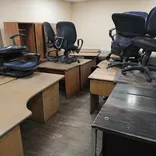
I'd been clearing out the garage for three years; they hauled it away in four hours. They took the tires too, though I thought they'd refuse — usually everyone refuses.
They removed the post-renovation debris quickly. The price was exactly as quoted upfront, no extra charges. Thanks to the guys!
In our cooperative's yard, junk had been piling up for years; the neighbors kept chipping in but nothing ever happened. Finally we collected the money, and I took on organizing it. I chose these guys because in the chat they gave a price right away, not 'we'll come and see.' A ZIL arrived, and everything was gone in one trip. The neighbors are happy, and so am I.
I ordered a dumpster for a job site; it stayed for a week. They swapped it on call, no 'tomorrow or the day after.' Kirill stayed in touch the whole time — that's a big plus.
The dacha — we pruned the garden, and there was a mountain of branches. I thought we'd have to burn them, but they took them as is. They arrived at the appointed time, which is rare.
We were demolishing partitions in a three-room apartment, and there was quite a bit of brick. Initially we booked a GAZelle — it didn't fit, so we had to call a second truck the same day. Honestly, that was my mistake: I estimated the volume by eye and didn't send photos. Yerlan later said — always send photos, we can tell right away from them. The second truck came quickly, the extra charge was per the price list, no rush fee. All the debris was gone that same evening. I'm giving four stars simply because the day turned out longer than planned, but I have no complaints about the guys at all. Next time I'll be smarter.


They carried a fridge and a washing machine down from the 4th floor with no elevator. Half an hour — done. It would've taken me till evening.
I ordered construction waste removal, they placed the container in the yard even though the driveway is narrow and I thought they wouldn't get in. They did. The driver is a pro.
We're a contractor, we work on several sites, we need pickup constantly. Tried three haulers in a year. These are the only ones who never miss a pickup and prepare closing documents without reminders — that's critical for us, our client demands it. Prices are average for the market, not the lowest. But I'll pay for predictability.
After New Year they cleared out everything residents had piled up over the holidays — trees, boxes, bottles. Madina helped set up payment to the KSK by bank transfer. Thanks.
We bought a house to demolish an old extension. We took the extension down ourselves, but had no idea what to do with the pile — slate, boards with nails, broken brick all mixed together. I wrote, sent photos. They replied that slate needs to be separate, it goes through a different disposal scheme — I hadn't even thought of that. They came, sorted it right on site, loaded in two trips. Took everything, the lot is clean. Special thanks for being honest about the slate — they could've just hauled it away and not bothered, I'd never have known. It's little things like that that bring you back.

I needed old furniture removed — a sofa, a wardrobe, two armchairs. The guys arrived on time, carried everything down themselves, took the stuff that didn't fit in the elevator down the stairs. The price was reasonable too. I recommend them!
I ordered soil removal after grading my plot. Waited for the truck a bit longer than promised — about an hour. The removal itself was fine, the dump truck took everything in two trips, the driver was careful, didn't tear up the lawn (I was worried). The money matched the quote exactly.
Fast, polite, cheap. What else do you need.
Long story. We started a renovation at a café, worked nights so we wouldn't have to close during the day. Waste piled up in the back room, no space left, sanitation inspection coming. I wrote at 1 a.m., not expecting an answer — they answered. Agreed on seven in the morning, before opening. The truck was at the entrance at 6:50. Timur and his crew carried everything out through the back door in forty minutes so it'd be clean by opening. No 'we don't work that early.' We've been with them ever since — they pick up every two weeks. Not a single missed pickup in six months. I consider myself lucky.
They took away the leaves from my plot, all bagged up. Came the same day. Happy
Showing 3 of 24
Want the same? Describe your task — we'll calculate and give you a price before the truck arrives.
Message us on WhatsAppChecked us out? Drop us a line — we'll pick the right truck for your load.
Message us on WhatsAppIllegal dumps on the outskirts, soil and groundwater: what happens when waste goes to the wrong place.
Collection, sorting, crushing, secondary raw materials — the steps in order and what actually gets recycled.
How medical and industrial waste differ from household waste and what's required of the hauler.
Articles of the Administrative Offenses Code of Kazakhstan, amounts in MCI for 2026, and who's responsible for the garbage — the carrier or the client.
Send a photo on WhatsApp — we'll give you the price and delivery time in a few minutes. No forms, no prepayment.
Tell us how the pickup went — it helps us and anyone choosing a hauler.



