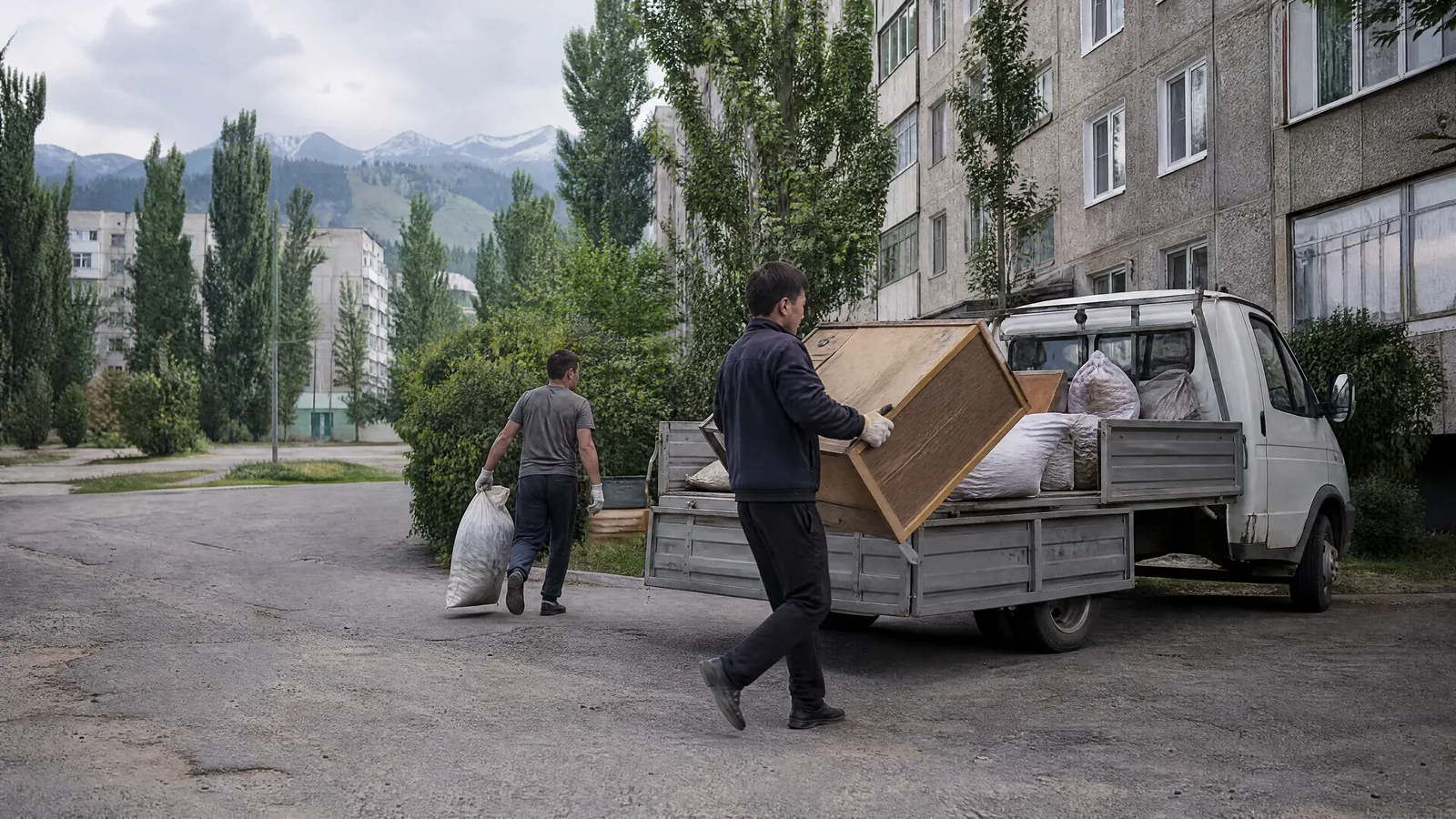
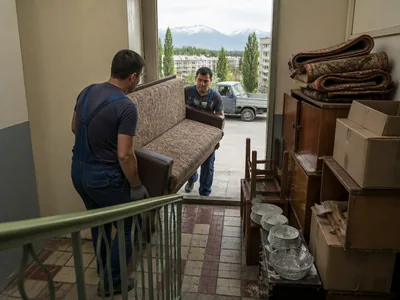
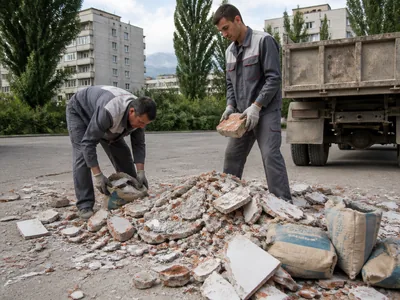
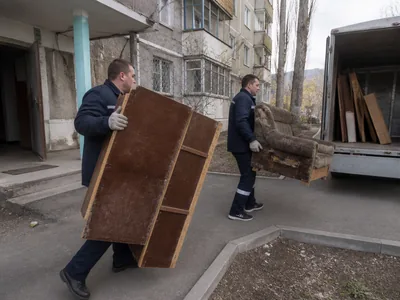
Tell us the address and what kind of garbage — we'll estimate the volume and give you a price before the truck arrives.
GAZelle and two loaders — from 50 000 ₸
Our own loaders, not subcontractors
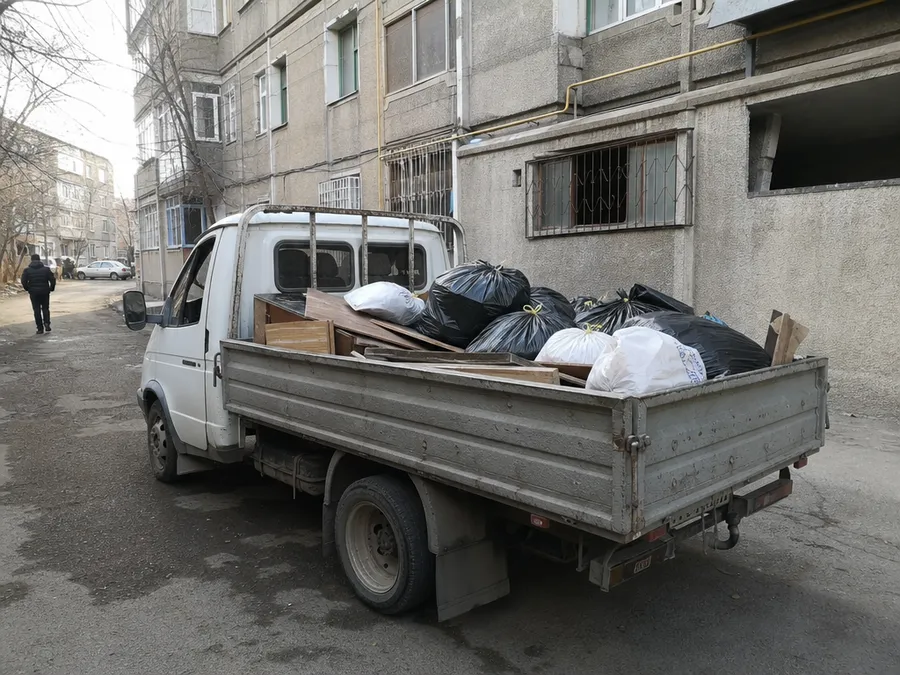
A 12 m³ GAZelle takes up to 1.5 t
We take furniture apart so it fits through the door
We carry out from any floor, from the basement, from the yard
We charge for the crew's work by the hour
🧮 Estimate
Garbage removal calculator with loaders get the cost before you call
Choose what to carry out, the truck, and how many loaders you need for how many hours — the calculator will show a range. We'll confirm the floor and elevator in chat.
Estimated cost: 0 ₸
If you're unsure about the volume — send a photo on WhatsApp, we'll recalculate exactly.
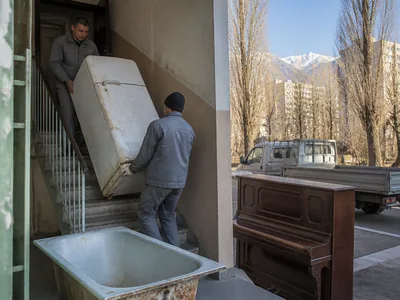
Old furniture, carpets, boxes, dishes — everything left after a move or renovation. We carry it out from any floor, bring it down without an elevator, and haul it away in a GAZelle.
furniture and carpetsup to 1.5 tfloor without elevator
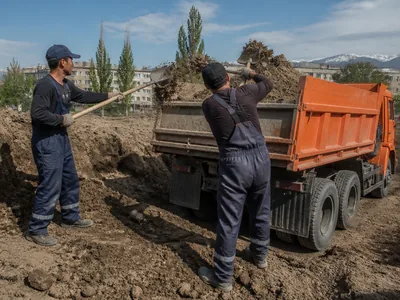
Soil from a pit, clay, sand after digging. Heavy stuff — we bring a dump truck, loaders shovel by hand or with a spade.
clay and sanddump truckfrom 3 m³
💰 Services and prices
Junk removal with loaders and prices what's included in a trip
Garbage removal with loaders in Almaty
from 30 000 ₸ per trip, 12 m³
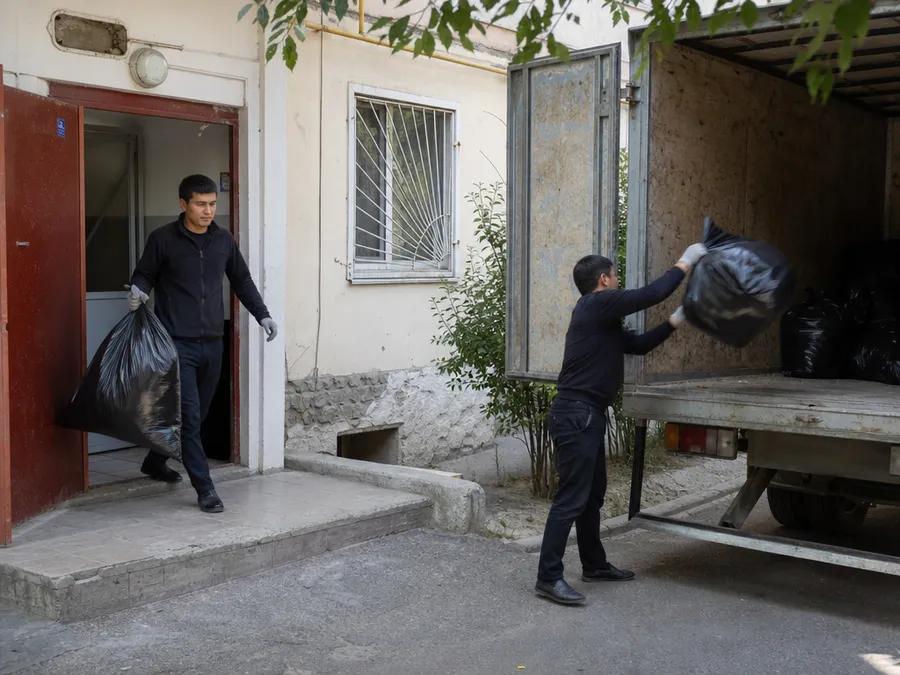
Standard trip: a GAZelle and two loaders arrive. We carry everything out of the apartment, load it, take it to disposal, and sweep the area. We charge per truck, not per hour.
A foreman ordered a truck for the construction site but has no workers of his own. We bring loaders and equipment at the same time, load up, and leave.
Sometimes you have your own truck but not enough hands — say, to move things inside a warehouse. One loader per hour; we'll discuss the minimum in chat.
Price per project we calculate around your schedule
The container is placed for a set period, junk is accumulated gradually, then loaders are ordered for unloading. The standing period and location are charged separately — we'll quote in chat.
Equipment for junk removal with loaders from a GAZelle to a 32 m³ bunker
We'll match a vehicle to any volume: a GAZelle is enough for apartment clutter, while construction waste needs a dump truck or bunker.
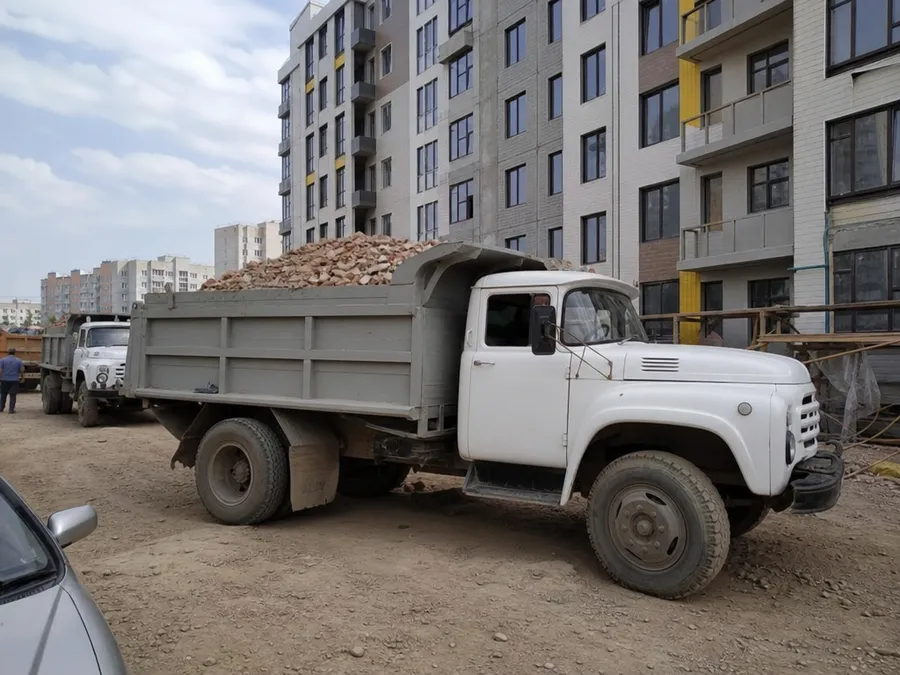
GAZelle 1.5 t
Bed volume
12 m³
Payload capacity
up to 1.5 t
ZIL dump truck
Bed volume
7–12 m³
Payload capacity
up to 7 t
KAMAZ dump truck
Bed volume
15 m³
Payload capacity
up to 20 t
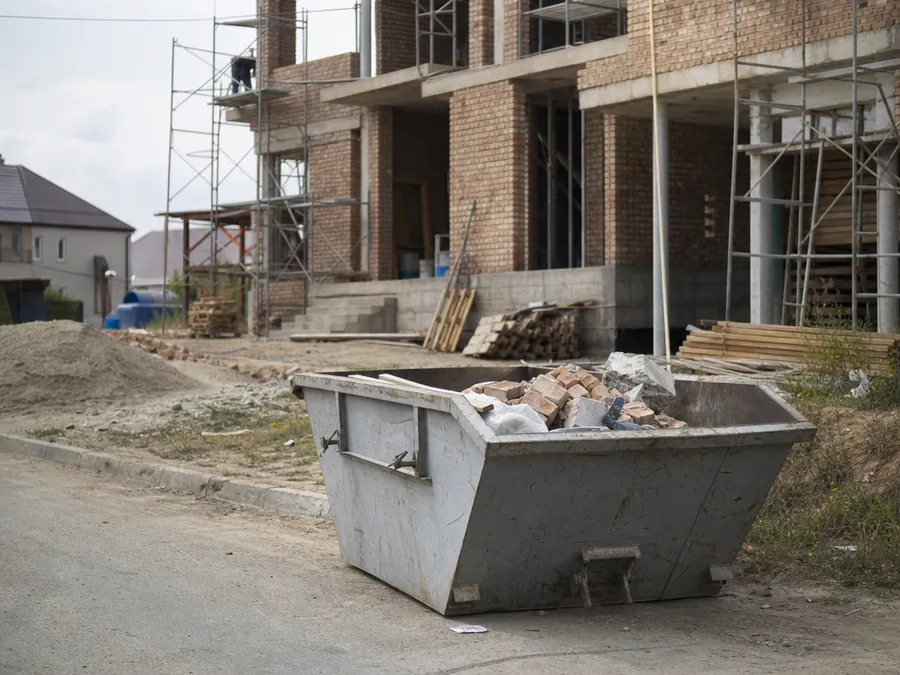
Skip
Bed volume
27 m³
Payload capacity
up to 15 t
Price list for waste removal in Almaty
Valid from August 2026 · price per trip within the city
Price list for waste removal in Almaty, August 2026
Equipment
Volume
Payload capacity
Price per trip
Extra hour
GAZelle 1.5 t
12 m³
up to 1.5 t
30 000 ₸
6 000 ₸
GAZelle 2.5 t
16 m³
up to 2.5 t
35 000 ₸
9 000 ₸
Truck 5 t
25 m³
up to 5 t
40 000 ₸
12 500 ₸
ZIL dump truck
7–12 m³
up to 7 t
40 000 ₸
12 500 ₸
KAMAZ dump truck
15 m³
up to 20 t
55 000 ₸
15 000 ₸
Howo dump truck
25 m³
up to 40 t
60 000 ₸
15 000 ₸
PUHTO (skip)
8–10 m³
up to 7 t
45 000 ₸
—
Multilift
20 m³
up to 12 t
100 000 ₸
—
Skip
27 m³
up to 15 t
135 000 ₸
—
Max skip
32 m³
up to 20 t
160 000 ₸
—
Loaders:6 000 ₸/hour per person · 20 000 ₸ for a 2-person crew with a GAZelle · 48 000 ₸ for a 3–4 person crew with a ZIL · 80 000 ₸ for a crew with a KAMAZ
By volume:8 000 ₸ per m³, if it's easier to count in cubes rather than trips
Typical estimates:post-renovation 1-bedroom — 50 000 ₸ · facade work — from 60 000 ₸ with a skip · partition demolition — 88 000–135 000 ₸
Prices apply within Almaty city limits. Outside the city, mileage is added — we calculate it in chat before dispatch.
Not sure which truck you need? Send a photo — we'll pick one for you.
Extras for junk removal with loaders dismantling, carrying down, cleaning
People often ask to add furniture dismantling, carrying down from floors without an elevator, or post-renovation cleaning. Tell us in advance — we'll include it in the trip.
🪚
Saw up and disassemble
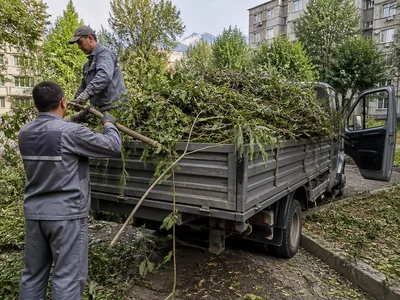
A wardrobe won't fit through the door, branches won't fit in the truck bed — we saw and dismantle on site. We bring our own tools.
🛗
Carrying down without an elevator
If there's an elevator — faster; if not — we carry down the stairs. We agree on the floor and weight in advance so the crew knows how many people to bring.
🧹
Cleaning after loading
We sweep the area, the stairwell, and the spot where the junk was. We take small leftovers with us instead of leaving them for the neighbors.
📅
Set up a regular schedule
For shops, warehouses and offices — pickup on set weekdays. Same crew, same truck, no need to call every time.
📦
Pack and carry out the bags
Trash spills on the way — we bring bags and wrap. We'll pack it, tape it up, carry it out carefully so we don't make a mess in the stairwell.
🕐
Pick up after closing
Cafes, shops, offices — we come in the evening when there are no customers. We'll agree on a time in advance so we don't get in the way of your work.
📋 Steps
How waste removal with loaders works five steps from request to unloading
From request to unloading — five steps. You pay after the truck has left.
You message us on WhatsApp what the waste is and where to pick it up from. Photos of the entrance and the pile help us estimate the volume more accurately than words.
2
Quote and arrival time
We estimate the volume, the floor, whether there's an elevator, and pick the right truck with a crew. We give you the price right away and keep it until the job is done.
3
Truck and loaders arrive
A GAZelle, ZIL or KAMAZ comes together with the crew — not separately. Around the city it's usually within an hour; we'll tell you the exact time when you book.
4
Carrying out and loading
The loaders carry everything out of the apartment, basement, garage or yard. We take heavy items apart on site so they fit through the door and into the truck. This is where most of the time goes.
5
Removal and cleanup
We take it to proper disposal, not to the nearest empty lot. We come back, sweep the area and pick up any small leftovers.
⭐ Why us
Why people choose our waste removal with loaders six reasons, no fluff
Our own loaders, not subcontractors
The crew comes with the truck from us — we don't find one along the way. So no one cancels the loading or quotes a different price at your door.
We count the floor and elevator
A fifth floor with no elevator and a fifth floor with one are different jobs. That's why we estimate the volume (which almost always gets underestimated) from photos or video in advance.
The price holds until unloading
We lock in the amount before the truck arrives. If there's more waste than expected, you'll find out during the inspection, not at the end of the job with a new number.
Heavy stuff goes in a dump truck
Brick and tile weigh more than they look. For that we send a ZIL or KAMAZ so one trip is enough and you don't pay for a second.
We work seven days a week
Mon–Sun, 9 am to 9 pm. We take requests on WhatsApp — send photos, we'll estimate and give you an arrival time.
We leave the site clean
After loading we sweep the floor and clear the leftovers. Neighbors and the building manager usually notice that, not how fast we hauled.
📸 Portfolio
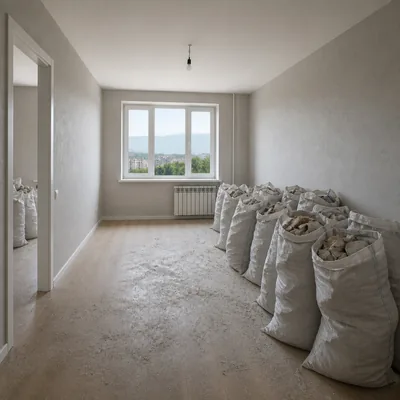
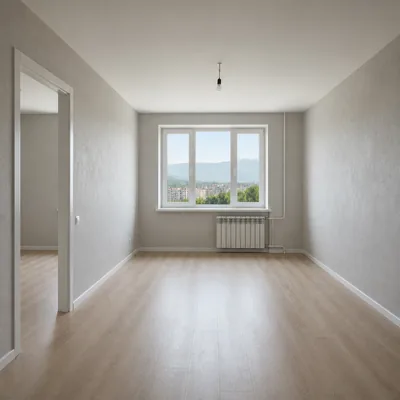
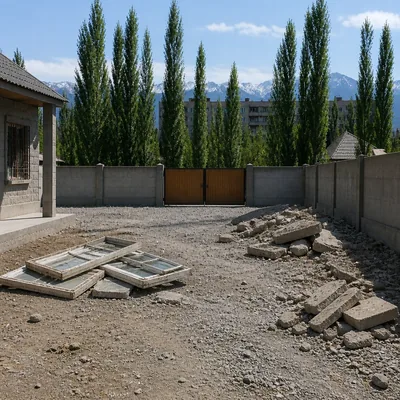
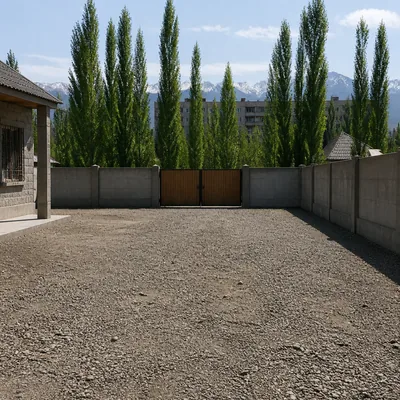
Waste removal with loaders before and after before loading and after
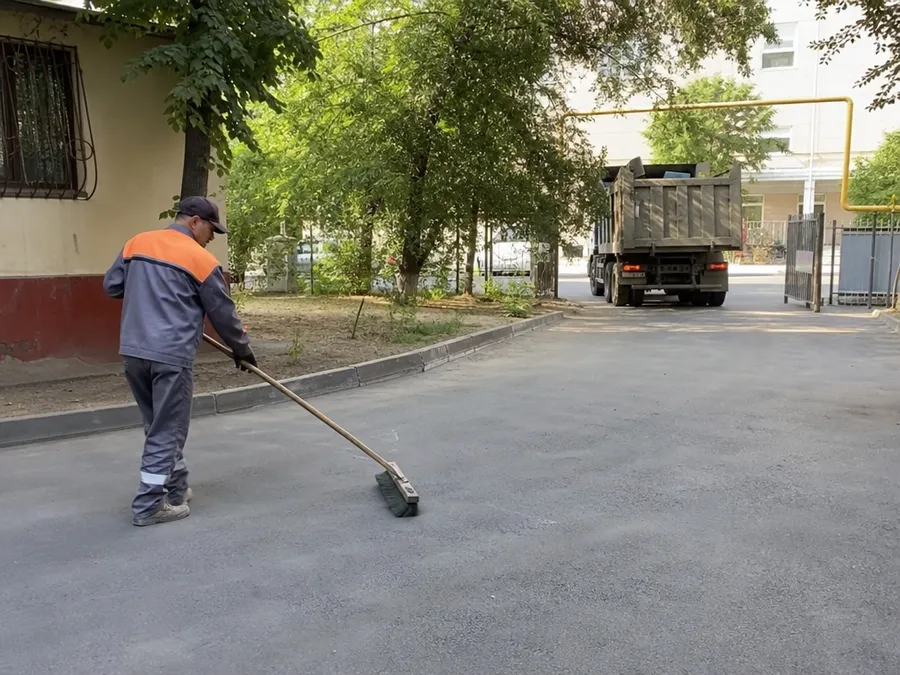
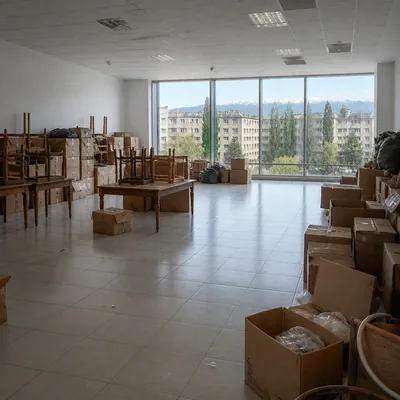
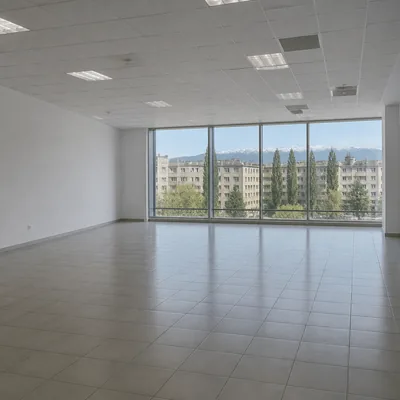
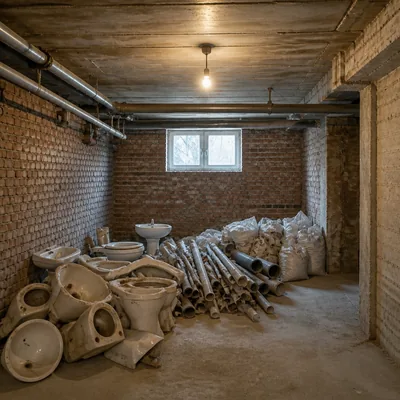
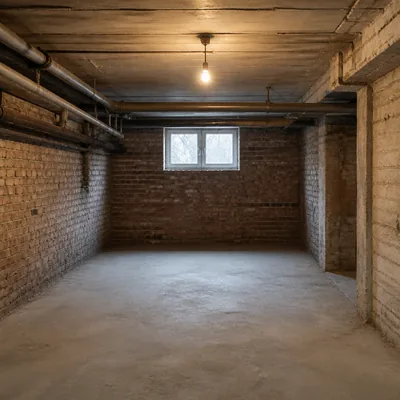
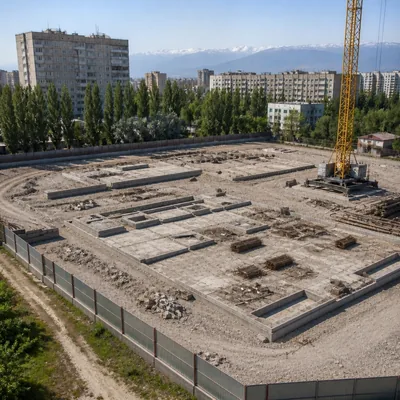
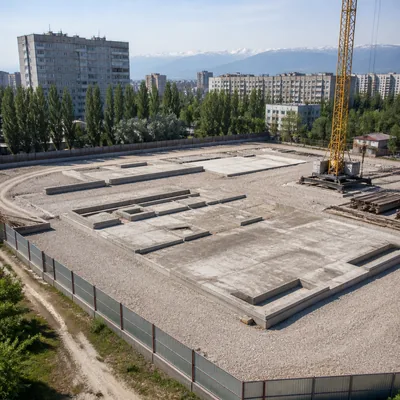
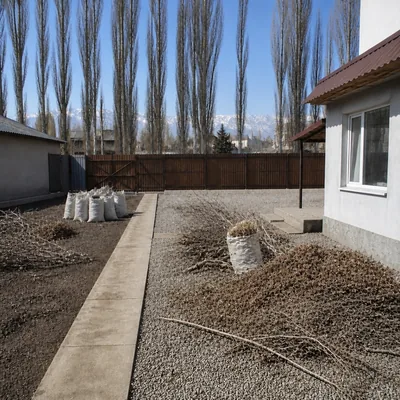
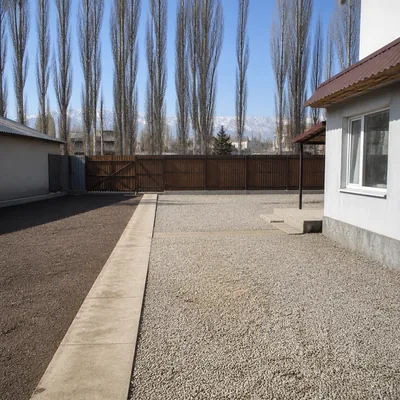
We show what it looks like before and what's left after. That's what the work of the loaders and the truck looks like.
Junk removal with movers: a detailed breakdown volumes, weight, loading, the fine print
Aigul Serikkyzy
Request manager
Published: Updated:
A customer sends a photo on WhatsApp: a corner of a room buried under an old wardrobe, chunks of drywall and bags. They ask — how much for this, will a GAZelle be enough? And the photo shows it'll barely fit, because nobody took the wardrobe apart, and there's another layer behind it. That's how almost every request for garbage removal with loaders in Almaty starts.
From there, the conversation isn't about the truck. The truck is only half the job. The real question is who's going to carry all this out of the apartment, down the stairs, over to the vehicle and into the bed. Because half of all requests fall apart right there: the truck shows up, but there's no one to load it, or the loading drags on for three hours instead of forty minutes. With loading, we count honestly — how many people, how many floors, is there an elevator, how far from the entrance to the parking spot.
In this article we'll cover what people usually ask about in chat: how to estimate the volume before we arrive, how loading construction waste differs from hauling furniture out of an apartment, what's the deal with dachas and old junk, where the truck goes after loading, and why two trips are never half the price of one. No tenge figures — those are in the price list above, here it's just the logic.
How to estimate the volume before the truck arrives if you've never done it
Let me start by saying that the volume of garbage isn't the area of the room. It's the space the junk will take up in the truck bed. And here's where it gets interesting: almost every customer who orders garbage removal with a crew quotes a number lower than the real one. Sometimes by half, sometimes by three times. Why — let's break it down step by step.
Bag, cube and truck bed: how junk is actually measured
A bag is a stretchy concept. A standard construction bag is about 50–60 liters. But people stuff them differently: dry plaster goes in dense, while foam fills the whole bag and weighs two hundred grams. So counting by bags is pointless. Convert to cubes.
One cube is a cubic meter. If a bag holds 60 liters, then a cube fits about 16–17 of them. But that's only if the bags are stacked neatly, not tossed in any old way. A 1.5 t GAZelle takes 12 m³ if you load it tight, not heaped and unsorted. A ZIL — 7–12 m³. A dumpster — 20–32 cubes. So go by those numbers.
What gets underestimated most often: furniture, drywall, old appliances
An old wardrobe. It seems small while it's assembled. Take it apart — and you get a mountain of boards that will fill a third of a GAZelle. And if you don't take it apart, it goes in whole and takes up half the truck bed. Furniture is the biggest deceiver. A sofa that's "this small" unfolds in the truck bed and takes up two cubes.
Drywall. The sheets are light but bulky. A wall in a room is 10–15 sheets. Each sheet is 3 squares. Together — almost a cube, but weighs next to nothing. Old appliances: fridge, washing machine, stove. A fridge can't be laid on its side, and standing up it takes up a lot of space. A washing machine is heavy, you need two people to carry it. All this adds volume and requires waste removal with loading, not just a dump truck.
Why the volume from a photo can differ from what's on site
A photo doesn't convey depth. What looks like a pile in the corner in a picture turns out on site to be a half-meter layer across the whole room. Plus behind furniture, under the rug, on the balcony — everywhere the camera didn't look. That's why we always ask for a video, not photos. A video walking through the room gives much more than ten snapshots.
Another nuance: waste can be compacted. If it was stacked carefully, it takes up less space. If it was thrown in any old way — more. And that's where waste removal with loaders in Almaty comes in: an experienced loader sees how to stack it so it fits.
When one truck definitely won't be enough
Signs that a GAZelle won't cut it. First — if after disassembling furniture you have more than ten bags of construction materials. Second — if there are large items: bathtub, toilet, door frames. Third — if the waste is on several floors or in different rooms, and it needs to be carried to one place first.
Remember: the price of garbage removal with loaders depends on volume, and two GAZelle trips will cost more than one ZIL. Better to take a bigger truck right away. And yes, garbage removal from an apartment with loaders isn't just loading — it's carrying it out too. If there's no elevator, count the floors. Every floor adds time and people.
Now, step by step, how to estimate the volume yourself.
Gather all the waste in one room or one place — it's easier to estimate that way.
Disassemble large furniture: wardrobes, sofas, tables. This will reduce the volume in the truck bed.
Measure the pile with a tape measure: length, width, height. Multiply — you get cubes.
Add 30 percent on top — that's an adjustment for what you can't see behind the furniture.
Check if there's an elevator and how many meters from the entrance to the parking spot.
Take photos or a video and send it to WhatsApp — we'll recalculate precisely.
And another thing: waste removal from a dacha with loaders often costs less than you'd think, because there's usually space for the truck. But if the dacha is in the mountains and the road is narrow, a GAZelle might not get through. Better to mention that in advance too.
Bottom line: don't be afraid to get the estimate wrong. Being off on volume is normal. What's not normal is when the truck arrives and there's no one to load it or it doesn't fit. That's why we always clarify the details and, if needed, offer a bigger truck. And removal and loading of construction waste are done by one team — you don't need to look for loaders separately.
Loading construction waste with movers: what exactly they do
Construction waste doesn't sit in a neat pile by the entrance. It's in bags on the balcony, in the bathroom, in the far corner behind the pulled-out sofa. And the job starts not with the truck bed, but with gathering it all in one place. Removing and loading construction waste are two different processes, and the first is almost always longer than the second. Showing up with an empty bed is easy; the hard part is carrying the load to it.
The crew arrives with their own tools: crowbars, sledgehammers, shovels, bags, ties, gloves, sometimes an angle grinder. If the waste is loose — broken brick, plaster, tile adhesive — it's bagged right on site. Otherwise, half of it will scatter down the stairwell on the way from the apartment to the truck, and you'll have to sweep twice: in the entrance and by the truck.
Disassembly and dismantling before removal: where removal ends
A wardrobe, a wall unit, an old sofa — they can't be carried out whole; they physically don't fit through the doorway. The movers take them apart: remove doors, unscrew hardware, saw through the frame. This isn't wall demolition or partition removal — it's preparing the load for carrying. The difference is fundamental: we're not a renovation crew, we haul away what's already been taken down and broken off.
Next comes sorting. Glass, mirrors, lamps are set aside and wrapped so no one gets cut and bags don't get sliced. Sharp-edged building materials — profiles, angles, sheet metal offcuts — are bundled into packs. All this slows things down, but without it you get injuries and torn bags all over the stairwell.
Floors, elevator and distance to the truck: three things that decide everything
Here the arithmetic begins, and it determines time and price. A first floor with a direct exit to the yard and a fifth floor with no elevator are different jobs, even if the waste is the same. If there's an elevator but the freight one is jammed or out of service — it's back to manual carrying. The distance from the entrance to the parking spot is also measured in meters, not in "it's right here."
From experience, a third of all jobs in Almaty are exactly that: a fifth floor with no elevator or with a passenger one that a bag won't fit into. One mover carries out an average of 20–25 bags of 30–40 kilograms per hour if it's close. Beyond that, the distance grows and speed drops: not because they're slacking, but because legs and backs aren't infinite.
A fifth floor with no elevator and 30 bags is a two-to-three-hour job, not a forty-minute one.
There's an elevator, but the freight one is tied up with a neighbor's renovation — you carry down the stairs until it's free.
The truck is parked twenty meters from the entrance — that's still fine; beyond that it gets hard.
Furniture is disassembled in advance — saves about twenty minutes and the movers' energy at the start.
Loose waste not in bags — we bag it first, then carry, otherwise the floors and stairwell end up covered in dust.
Glass and mirrors separate and wrapped — otherwise we cut ourselves and tear the bags.
Heavy pieces: concrete, tiles, cast-iron bathtubs
A separate category is what doesn't fit in a bag and can't be lifted by two people. A cast-iron bathtub weighs 80 to 120 kilograms, and it has to be carried out whole or sawed up on site. Concrete chunks, pieces of screed, tile remnants — that's weight measured not in bags but in hundreds of kilograms.
Such pieces are carried on stretchers or dragged down the stairs, with pads underneath so the steps don't get damaged. If the landing has a tight turn, the bathtub is turned on the spot rather than forced through. A beginner's mistake is trying to carry something heavy with two people where you need four hands and someone spotting from below. That's why we assign more people to heavy jobs, not more equipment.
What the movers do and what loading time depends on
Stage
What's included
What time depends on
Disassembly
Wardrobes, sofas, wall units, frames
Dimensions, number of sections
Bagging
Bags, ties, glass wrapping
Loose debris or bulky items
Carrying down
Stairs, elevator, stretchers
Floor, elevator access
Carrying
From the entrance to the truck bed
Distance to parking
Loading
Loading into the truck, securing
Weight of pieces, truck volume
By weight, an average apartment after renovation is one and a half to two tons. Half goes in bags, a quarter is bulky pieces, the rest is furniture and junk. A GAZelle can't always handle a job like that: sometimes you need a second trip or a bigger truck.
The price of garbage removal with a crew depends not on the number of hands, but on weight and floor. Garbage removal with loading is when the truck and the people work together, and that's exactly what you pay for. Garbage removal with a loader — if we're talking about machinery like a mini-loader, that's a different scenario, usually for sites and large volumes, not for an apartment.
What happens to the site after loading
The last step people remember when they've already left. We sweep the place where the waste was: in the apartment, on the landing, by the entrance. A small thing, but it's exactly why neighbors later file complaints and the management company calls the client. Sweeping is cheaper than dealing with that.
Loading isn't an add-on to the truck. It's a separate job with its own math: floors, elevator, meters, weight, disassembly. When a client understands what makes up the time, the conversation about waste removal with loaders becomes shorter and more honest. And the truck arrives when there's someone to load it, not just because the bed is empty.
Junk removal from an apartment vs. a dacha: two different stories
An apartment and a country house aren't 'the same thing, just a different address.' The difference starts at the doorstep and ends on the scales. In a high-rise, the main enemy is vertical: stairs, elevator, neighbors, narrow passages. On a plot, the main enemy is horizontal: lawn, tiles, mud after rain, gates the truck can't fit through.
Apartment: elevator, stairs, neighbors, and old renovation
Waste removal from an apartment with loaders starts not with the truck bed but with the entrance. Until you tell us whether there's a freight elevator, we don't know how many people to assign. With a freight elevator and a wide landing, it's one calculation. Without an elevator, from the fourth floor, and with a turn on the stairwell — it's completely different.
Old renovation is a story of its own. Drywall, tiles, plaster, leftover screed — that's weight. Lifting five or six bags of construction waste up the stairs is a half-hour job if there are two of you and no stops. And if the bags tear in the elevator, you'll be scrubbing the cab, not loading.
Neighbors are a factor people forget. The building manager may not allow the elevator if the load is loose and not in containers. Some buildings have quiet hours for noisy work, and during those hours we can't carry anything out. Better to warn us in advance than to sort it out on the spot with the security guard.
Hauling junk with a crew in Almaty often gets stuck at the parking lot. The truck sits in the yard, it's twenty meters to the entrance, and parked cars are in between. You'll have to carry everything around them. This doesn't raise the price, but it does add time — and it's only fair to say so upfront.
Country house: where the truck can drive and where it can't
Waste removal from a country house with loaders is first and foremost about geography. A GAZelle can handle a dirt road if it's dry. A ZIL is already a question. A 32 m³ dumpster will almost never make it onto a country plot: it can't turn between garden beds and gets stuck in soggy ground.
Then there are the gates. Standard three meters is fine, two and a half — you need to check. Some plots have the truck stop a hundred meters from the fence, and the loaders carry everything that distance by hand. That happens too, but it's a different amount of work.
At a dacha, trash doesn't pile up the way it does in an apartment. It's not bags gathered in one corner. It's an old greenhouse, boards, roofing felt, bush trimmings, broken slate. You can't just toss that into a truck bed — you have to take it apart, saw it up, and stack it tight.
In autumn, leaves and tops get added. They're light but bulky. If you fill the bed with leaves, the truck will leave half-empty by weight. Experienced loaders put the greens at the bottom and the heavy stuff on top so everything compacts.
Seasonality: when there's more dacha work
The peak is April through June and September through October. In spring, people clean up their plots after winter; in autumn, before closing the season. During those months, dacha trash removal with loading gets booked two or three days ahead, not 'for the day after tomorrow.'
In summer there are fewer orders, but there's a catch: working in the open sun during a heatwave is harder, and the crew takes more breaks. In winter, dachas are barely touched, but apartment requests don't drop — renovations go on year-round.
Seasonality also depends on rain. After a downpour, the dirt road at a dacha turns to mush. The truck can get stuck, and then the job gets moved to a dry day. That's not an excuse — it's a real limitation worth planning for.
The price for junk removal with a crew also depends on the season: at peak times there are fewer trucks available, and dispatch can cost more. That's not our whim — that's how any junk removal with a crew in Almaty works in April or October.
What you shouldn't leave on the plot until your next visit
At a dacha, trash has a way of 'absorbing' neighboring trash. You leave a bag of trimmings — a month later there are three more next to it. That's why construction trash removal and loading on a plot should take everything you planned in one trip.
What you shouldn't leave until your next visit:
Broken slate and roofing felt — rain makes them heavier and dirtier.
Old boards with nails — you risk stepping on one or puncturing a tire.
Bags of construction dust — moisture tears them and they spill.
Bush trimmings and tops — over the summer they turn into a dense layer that's hard to load.
Empty canisters and paint cans — you can't leave them near a well.
Large chunks of concrete — later you'll have to break them up or lift them by hand.
Trash removal with loaders at a dacha is done in the morning while the ground is still firm. If you come after lunch in the rain, the truck may not make it in. That's why we always ask about the weather and road conditions before dispatch.
There was a case: we arrived at a dacha near Almaty, and the gate was two meters wide. A GAZelle doesn't fit. We dragged everything a hundred meters to the street by hand — bags, boards, the old greenhouse. The client later said he didn't know about the gate width. We would have just parked the truck closer and saved an hour of work.
Trash removal with a loader at a dacha isn't just a truck — it's also the people who'll break up the piles. If there's something on the plot that two people can't lift, we say so right away. It's more honest to recalculate the volume than to show up and leave with nothing.
What movers won't take, even if you beg
Sometimes it goes like this: a client calls and says — there's also a can of solvent sitting there, take it too. Or — batteries from old watches, it's just small stuff. I explain the same thing every time. Junk removal with a crew in Almaty works so that only what can be safely driven across the city and dumped at the site goes into the common truck bed. Everything else is a separate story with separate people and a separate truck.
Why it's this way and not otherwise. A truck bed isn't a sealed container — it breathes, it drips, things fly out of it. If there's an open bottle of something caustic lying next to broken brick, the first time you brake on Abay that bottle will burst and leak over everything below. Then there's the yard where the equipment sits, workers in ordinary gloves, nobody expecting a surprise. That's why loading and removal of construction debris go on one list for us, and problem waste goes on another.
A simple rule of thumb: if you can pick it up with your hand and it doesn't burn, doesn't reek of chemicals and doesn't sting like a needle — it probably goes. If you feel like putting on two pairs of gloves — it doesn't.
Paints, solvents, household chemicals
Cans with leftover paint, thinner, acetone, drain cleaner, insect sprays — all of that skips the common truck bed. Even if the can is closed and looks like ordinary trash. The reason is simple: during loading they usually get smashed, they leak, and then the truck smells so bad the next order has to be washed out. I once took five liter cans of enamel wrapped in newspaper. They made it fine. But that was luck, not a rule, and I wouldn't recommend repeating it.
Where do they go then. Two options. First — hand them over where they're accepted as chemicals; that's a separate trip and separate people. Second — if the can is dry and empty, it goes as regular trash, but you have to open it and show there's nothing sloshing inside. Open it in front of the loaders, not beforehand.
Batteries, lamps, mercury thermometers
Fluorescent lamps and thermometers are the things that break the quietest and cause the most damage. The glass is thin, there's mercury inside, and if that bursts in the truck bed there's nothing left to haul — the truck has to stop and be dealt with. That's why our loaders handle removal with a caveat: lamps and thermometers go separately and only in rigid containers, and if there's no container — they don't go at all.
Batteries seem like small stuff. But they add up to half a kilo in an apartment, and that half a kilo is more dangerous than a sack of concrete. They get collected into a jar, the jar gets taped shut, and only then can we talk about loading. By the way, if you have an old CRT TV — that goes here too, the glass in it isn't ordinary.
Medical waste from apartments and clinics
Syringes, IV lines, ampoules, dressings from a treatment room — that's a separate category, and we don't touch it. Not because we're lazy, but because it needs conditions a regular GAZelle doesn't have. No fridge, no sealed containers, no people trained for that kind of waste.
If it's an apartment after caring for a sick person — usually everything is already in separate bags, and the person understands it doesn't go in the common bag. If it's a small clinic or office — they have their own procedure, and removal with loading as we understand it doesn't fit those volumes. Let me be blunt: refusing this is easier than explaining later.
Separately about expired medications. Pills in blister packs — yes, that's fine, as long as they're not syrups or ampoules. Liquid medicine in glass — no.
What to do if you still find some
Most common: someone's clearing out a storage room and there's a jar of something brown with no label. Or under the sink there's a canister left over from a past renovation. What to do with it — don't play hero and don't hide it in a trash bag hoping nobody notices. They'll notice, and then the conversation will be different.
Here's the procedure.
Take a photo of the jar or package as a whole, together with the label if it's readable.
Send the photo to WhatsApp before the truck is dispatched, not at the moment of loading.
Don't open it, don't pour it out and don't mix it with other trash — it's safer for everyone that way.
If it's a lamp or a thermometer, wrap it in thick cloth and put it somewhere it won't break.
Tell us how many of these units there are in total, even if it seems like a small thing.
Let us know if there's an elevator, because no one will carry this up the stairs.
Arrange a separate time so it doesn't get mixed up with a regular pickup.
As for the price, the price for junk removal with a crew depends not only on volume. If a problematic item shows up in the order, that's a different trip and different liability, so the money talk happens separately. Country house junk removal with a crew is simpler in that sense: it's usually just regular clutter, old boards, grass. An apartment is trickier, and apartment junk removal with a crew almost always runs into these kinds of unexpected finds.
Below is a quick summary of what we've covered above. It doesn't replace a conversation, but it helps you understand upfront what will go and what won't.
What goes in the shared truck bed and what doesn't
Waste
We take it or not
What matters
How to prepare
Cans of paint and solvent
No
Leaking and smelly
Separate trip
Empty dry can
Yes
Nothing should slosh inside
Open and show
Fluorescent lamps
Only in a container
They break and are dangerous
Rigid box
Batteries
Yes, separately
Dangerous when discharged
Can with tape
Mercury thermometer
No
Mercury inside
Do not open
Medical waste
No
Special conditions required
Separate service
And last thing. Waste removal with a loader is when there's one machine and many hands, and that's exactly why we don't risk people or the truck. If you're not sure whether to take it or not, take a photo and ask. We'll answer before the truck leaves the garage, not on site. That's cheaper for everyone.
Read this far and still not sure about the volume? Send us a photo — we'll calculate and give you a price.
From a GAZelle to a dumpster: which truck goes with which loading job
First we look not at volume but at weight and type of waste. The same pile can weigh three hundred kilograms or three tons. Guess right with the truck bed — you leave in one trip. Guess wrong — you'll be paying for a second. That's why in a request for junk removal with a crew in Almaty we always ask what exactly is in the pile: old sofas, broken bricks, drywall scraps, or bags of cement.
Here's how we choose the truck:
The client sends a photo or video showing the overall volume and approximate composition.
We check if there are construction fractions in the pile: concrete, tiles, brick, soil.
We ask about the building: floor, elevator, distance from the door to the parking spot.
We estimate the weight: multiply volume by material density from our experience.
We check if everything fits in the chosen truck bed without overloading and how the suspension will handle it.
We name the truck type and number of trips if one isn't enough.
We discuss whether a loader is needed instead of manual loading.
We agree on the delivery time and lock in the price before departure.
This isn't bureaucracy. Skip the question about the fraction, and you'll easily send a GAZelle for concrete debris. And if you don't ask about the elevator, you'll bring a container that simply won't fit through the yard gate.
Light bulky waste: why you need a big body
Old furniture, mattresses, plastic windows, doors, packaging — all of this takes up a lot of space but weighs little. A cubic meter of this stuff rarely weighs more than a hundred kilos. A flatbed GAZelle won't help here: you'll load it in twenty minutes, then you'll be looking for a second truck. You need a big body with high sides so the volume gets compacted and doesn't spill out on the road.
The price for junk removal with a crew depends not only on tonnage but also on how many hands you need. Two loaders will carry out a sofa and a wardrobe in an hour, but if the pile is bulky and light — get a dumpster and don't make people suffer. Loading goes fast, the truck leaves with a full bed, you pay per trip, not per hour.
Heavy small debris: why a smaller body means more trips
Cement screed, broken brick, ceramic tiles, sand, soil — that's a different story. A cube of this waste weighs from one and a half to two tons. A GAZelle will take one and a half cubes and it's already at its limit. So instead of one trip with a big body, you'll need three or four with a small one. Sometimes that's more cost-effective because a heavy truck can't get into a yard with a narrow entrance.
Clients often ask: why can't we load everything into one truck and not overpay? You can, but then you risk overloading. We don't load beyond the limit because the truck has to make it to the landfill, not break down halfway. Better to make two trips and deliver everything intact than one trip and lose the suspension.
When a container is better and when a GAZelle is
A container is a bin with a volume from eight to thirty-two cubic meters. It's delivered, placed in the yard, you load it yourself or with our loaders, then we take it away. If you're renovating for several weeks and waste accumulates gradually, a container is more convenient. No need to call a truck each time, no waiting. But a container needs space: the driveway must be clear, and the yard must allow a crane truck to enter.
A GAZelle is used when there's not much waste or when it's heavy and needs to be removed in one go. For example, waste removal from an apartment with loaders after wall demolition — that's exactly a GAZelle or a small dump truck. Loading takes two to three hours, the truck leaves, the apartment is clear. And you don't have to worry about where to put the container if it stays overnight.
A loader instead of hands: when it's justified
A loader isn't a replacement for loaders, but a supplement. If the waste is in a pile in the yard or on a site with access for machinery, a loader will collect it in fifteen minutes. It grabs with a bucket and dumps it right into the body. But inside an apartment or on a stairwell, it doesn't work. There you need hands.
A loader is justified when the volume is large and lying on the ground: old asphalt, soil after digging, broken brick in the yard. It also helps if you need to quickly clear an area after a community cleanup or a shed demolition. In other cases, waste removal with loading is still manual work. We always say honestly: if two loaders can handle it and you don't need machinery, better to do without.
And one more thing: a loader can't get in everywhere. In the courtyards of old central Almaty, with arches and low wires, it simply won't fit. Then it's just a GAZelle and loaders. That's why in a request for junk removal with a crew in Almaty we always ask about the courtyard, not just the volume.
In the end, choosing the right truck is a trade-off between weight, volume, and access. Light bulky waste — a big body. Heavy small waste — a small body and several trips. A dumpster — for long renovations. A loader — for big piles on the ground. And loaders are almost always needed, because someone has to carry it out of the apartment or yard to the truck.
Where the junk goes after loading and why it matters to you
The truck leaves loaded — and not into the neighbor's yard. The route is: first to the sorting site, where they separate what can still be reused, then the rest goes to the landfill. Whether it's apartment, construction, or country house junk — the principle is the same, only the proportions change. And here's what matters: it's this route, not just the loading, that determines how much junk removal with a crew in Almaty will cost.
Many people think waste removal with loaders ends at the first dumpster. Technically you could do that — dump it in someone else's bin and drive off. But then a day later the bin is overflowing, the neighbors file a complaint, and you're the one left holding the bag. So we do it differently: we deliver it to a place where the load will actually be accepted. It takes longer, but it's more honest.
Sorting along the way: what gets separated and why
At the site, the first thing they remove is bulky items: old cabinets, sofas, mattresses, window frames. They can't be mixed with the rest — they take up volume and jam the press. Metal goes separately: angles, profiles, pipes, frames. Sometimes you even get some money back for metal, but that's not about us — I'm just explaining why it doesn't get thrown into the common pile.
Glass, ceramics, tiles — into a separate compartment. Broken plumbing, toilets, sinks. Concrete and brick are also counted separately, because their weight is completely different. Loading construction waste with loaders isn't just tossing everything into the truck bed — it's sorting by fractions so the truck doesn't go out overloaded.
Separately go the things that can't be taken to the landfill at all: batteries, lamps, paint, solvents, accumulators. They're only accepted at special points. If that stuff ends up in the common body, the truck gets turned away at the entrance — and you'll have to pay for the trip twice. That's why we ask about hazardous waste already in the chat.
Landfill and disposal: what happens to the remainder
The remainder — what didn't pass sorting — goes to the landfill. There it's weighed and compacted. Weight is the key figure: the landfill charges by the ton, not by the cubic meter. That's why a GAZelle full of brick costs more than a GAZelle full of foam, even though the volume is the same.
Disposal isn't just a dump in the pure sense. Some waste is pressed and sent for recycling. Wood is chipped into shavings, plastic is granulated, glass is melted down. But this only works if the waste was brought separately. Mixed loads go entirely to burial.
That's why cheap removal 'to the next yard' is a bad idea. First, it's illegal. Second, if you get caught, the fine lands on you, not the hauler. Third, you pay twice: first for the fake removal, then for the real one when the load comes back to your yard.
What happens to different types of waste after loading
Type of waste
Where it goes
What they do
Feature
Construction
Landfill
Weighed, compacted
Charged by the ton, not by the cubic meter
Bulky items
Sorting
Dismantled, metal separated
Takes up volume but is light
Hazardous waste
Special point
Neutralized
Separate tariff and route
Wood
Crusher
Pressed into shavings
Only if free of impurities
Metal
Reception
Cut, melted down
Can return some money
Mixed
Landfill
Landfilling
The most expensive option
Out of town: how mileage is calculated
If the site is out of town, mileage kicks in. It's not the distance to the landfill that counts, but the total run: from the base to you, from you to the landfill, from the landfill back. So one trip out of town can cost more than two city trips — and that's not greed, it's arithmetic.
People often ask: can you save money by hauling everything in one truck? Sometimes yes. But if the load is heavy, the truck will be overloaded and pulled over at the weigh station. Then you'll have to make two trips. Better to say upfront what exactly you're loading — then we'll pick the right equipment without overpaying.
Why cheap removal "to the next yard over" is a bad idea
The scheme is simple: they show up, load up, drive around the corner and dump it in the first bin they find. You think you've saved money. In reality, you've just moved the problem onto yourself. A day later the bin is overflowing, neighbors are complaining, the local officer is looking for whoever did it. And you've already paid and have no proof.
It's even worse if the load gets dumped on a vacant lot or in the steppe outside the city. They'll find it, and according to the paperwork it will be listed as your waste. Fines for unauthorized dumping are serious, and they fall on the waste owner, not the hauler.
We work with sites that accept junk officially. Yes, it's more expensive than dumping it around the corner. But you keep a clear conscience and no surprises a week later. The price for junk removal with a crew includes exactly this route — to the place where the load is actually accepted.
If you're comparing offers, ask straight out: where will the truck go? If the answer is "nowhere, just nearby," that's not removal, it's shifting the problem. A real route ends at a landfill or sorting facility, not in the next yard over.
Construction waste is weighed at the entrance — you pay per ton, not per volume.
Old furniture is dismantled at the sorting facility, metal goes separately.
Hazardous waste like paint and batteries is only accepted at special points.
Outside the city, mileage is calculated for the whole route, not one way.
Mixed loads without sorting go to burial as is.
Illegal dumping in a yard is a fine for the waste owner, not the hauler.
If the bed is overloaded, the truck gets turned around at the weigh station — you'll have to pay for a second trip.
And lastly. Waste removal from an apartment with loaders often ends not at the entrance, but at the landfill. We don't dump loads around the corner or look for loopholes. We take it where it's accepted officially — and we say so upfront, before the truck is even dispatched.
The bottom line
Estimate the volume before you call. Not because we're nitpicking, but because it determines which truck goes and how many people go with it. Bags in the corner, a dismantled wardrobe, an old sofa — all of these are counted differently, and a mistake here costs you an extra trip. Take photos from two or three angles, put something next to it for scale: a box, a bucket, your foot.
Estimate the volume before you call, not after
Loading and junk removal with a crew are two jobs that go together but are priced separately. The truck is chosen for the cubic meters, the people — for the weight and the floor. If you lump it all into one question, "how much will it cost," you'll get roughly nothing as an answer. Break it into parts.
Loading is work, and it's planned separately
Loading construction waste is the hardest part. Concrete, tiles, chunks of screed — that's weight, not volume. A bag of broken brick weighs far more than a bag of styrofoam, even though it takes up the same space. Loaders need to know what's inside, not just how many bags.
The truck is chosen for the waste, not the other way around
A GAZelle is taken for light and compact loads. A ZIL — when there are many bags and they're heavy. A dumpster is placed for construction debris you don't want to haul through the entrance. Waste removal with loading into a dumpster is a separate scenario, with its own rules for access.
What to ask in the chat so there are no surprises
Here's what to clarify right away, in one message, so you don't spend half a day texting back and forth.
How many floors and is there a working elevator — that decides how long the haul-out takes.
What exactly are we loading: furniture, building materials, household waste, or a mix of everything.
Is there room for the truck in the yard, and is the entrance blocked.
Does the furniture need to be taken apart before hauling, or does it go as is.
Where to put it: in the yard, by the entrance, or straight into the truck bed.
Are there fragile items that can't be tossed on the pile.
Date and time of arrival — morning, afternoon, or evening, that affects traffic.
Removing trash from an apartment with movers almost always takes longer than it seems. Stairs, turns, narrow doors — you lose minutes on every floor. From a country house it's easier: at least you can pull up closer and work outside. But trash removal from a country house with movers in winter is a whole different story: snow, mud, slippery paths.
The price for junk removal with a crew is made up of the truck, the people, and the distance. The price for junk removal with a crew also depends on how long loading takes. One hour of work by the entrance and three hours on the fifth floor with no elevator are different money, and it's more honest to agree on that upfront.
I won't quote numbers here — they're in a separate block on the page. I'll just say this: two trips won't cost half as much as one, because each arrival means a separate truck and a separate crew. Sometimes one big truck bed is cheaper than two GAZelles.
In short: describe the load, tell us the floor and whether there's an elevator, and say where the truck is parked. That's enough to give an accurate quote. Everything else is details that get sorted on site.
❓ Questions
Frequently asked questions about trash removal with movers we answer briefly and to the point
For a GAZelle, usually two; for a ZIL, three or four; for a KAMAZ, a bigger crew. These are our loaders, not outside contractors — they arrive with the truck. If there's a lot of stuff and a high floor, let us know in advance: we'll add a person so the carry-out doesn't drag on all day.
We charge by the truck plus crew labor: a GAZelle trip from 30 000 ₸, loader rate from 20 000 ₸. If the volume is small, it's sometimes cheaper to go by cubic meters — from 8 000 ₸. We give you the exact amount before we arrive, and it doesn't change after loading.
We will, it's a common situation. Carrying down without an elevator takes longer, so you might need a bigger crew — we factor in the floor and stairs in advance, not after the fact. An extra hour of loader work is 6 000 ₸, if it's even needed.
A small apartment — an hour to an hour and a half for carry-out and loading; a country house or construction site can take half a day. It all depends on how close the truck can park and whether there's an elevator. We can give you a more precise estimate from photos — you send them, we take a look.
Then either the crew loads it tighter, or we call a second truck. The second trip is at the same price as the first, no "rush fee." Honestly, people almost always underestimate the volume — that's why we ask for photos, not "about three cubes."
We will, that's what the loaders are for. Sofas, wardrobes, fridges, washing machines — we carry them out and load them ourselves. Bulky items that won't fit in a GAZelle go in a dump truck. Let us know about the fridge in advance so we can send the right truck.
It depends on what you need them for. We can tell you where we take it and show you the route afterward. If you need paperwork for reporting — message us on WhatsApp before the removal, and we'll figure out what we can do.
We remove from apartments with loaders — that's actually our standard job. We try not to make a racket in the stairwell or scatter waste on the stairs. After loading, we sweep the area and the spot around it.
Construction and household waste — no problem. But we don't take paint cans with leftovers, solvents, or batteries in the general truck bed — those go through a separate request: apart from other waste, to a specialized organization. Tires and anything clearly toxic we discuss before pickup, not in the truck bed.
We work Mon–Sun, from nine in the morning to nine at night. On Saturdays and Sundays fewer trucks are available, so it's best to book a day or two ahead. Leave your request on WhatsApp or call the number on the site.
Got a question that's not here? Ask — we'll answer in writing, no call needed.
Reviews about trash removal with movers what clients say
4,9
Based on 20 reviews on this page
O
Olga
We were moving out of a three-room apartment and had accumulated all sorts of stuff. We gave some things away, but the old sofa and three wardrobes had nowhere to go. I called, explained with photos — Aigul said we'd need a GAZelle with movers. They came in the evening because I was at work during the day. Fast and careful. My neighbor even asked who I'd found.
Company replyThank you, Olga. We do evening slots, always happy to work around your schedule.
S
Sanzhar
Overall everything was good, they removed it quickly. The only thing — we waited about an hour longer than scheduled for the truck. But the guys apologized and then worked without delays.
M
Madina
We were clearing out a basement in an old building, and there was about twenty years of junk down there. I thought it would take a week to haul out. They came in the morning, and by lunch the basement was empty. One thing — we waited a bit longer for the truck than promised, but they warned us in advance.
M
Marat
The neighbors upstairs started renovating, and some of their construction waste ended up on my landing. I had to call for waste removal with movers to avoid a confrontation. They came quickly, cleared everything, and swept the landing. Askat even asked if there was anything else to take out.
Company replyThank you, Marat. Neighbors' renovations are a genre of their own, we get it.
V
Viktor
We had the bathroom plumbing replaced, and were left with an old cast-iron tub and a pile of pipes. No way I could carry that out myself. The movers brought the tub down from the second floor, hauled it away, and even swept the stairwell. The price was exactly as agreed.
B
Bauyrzhan
We were closing down a café on Saina. There was furniture left, dishes, an old fridge, a sign. We booked construction debris removal and loading plus movers — they showed up in the morning and hauled everything out in three hours. Two guys carried the fridge down the stairs, the elevator couldn't handle it. Nothing got scratched. Daniyar was there the whole time, keeping an eye on things.
Company replyThank you, Bauyrzhan. Fridges are a whole different story, glad it all went smoothly.
S
Svetlana
The renovation dragged on, and all the trash piled up on the balcony. I finally decided to call for waste removal with movers. The truck arrived at nine in the morning, and the guys carried everything out in an hour and a half — bags, old window frames, paint cans. Yerlan told me not to haul anything heavy myself. It's nice when they think about the customer.
Company replyThank you, Svetlana. Post-renovation balconies are a classic.
G
Gulnara S.
We were cleaning up a plot at a country house near Almaty after winter. Branches, an old tank, some boards from a former gazebo. The guys came, loaded everything, and took it away. Dinara told me right away on the phone that one GAZelle would be enough, and she was right.
Company replyThank you! Glad the volume estimate was spot on.
N
Nurlan
good movers, did everything themselves. price is fair
A
Ainur
we ordered trash removal from an apartment with movers, everything was fast, thanks
Z
Zere
We removed the trash left after renovating the house. The movers came quickly and loaded everything up. The price was as agreed in advance.
D
Daniyar
arrived quickly, took everything themselves. we just showed what to take. 40 minutes of work
L
Laura
We were clearing the dacha after winter. Lots of branches, old buckets, a broken grill. Two movers came, loaded everything up, and took it away. I'm glad I didn't have to deal with it myself.
A
Asel
After renovating a two-bedroom, we were left with a mountain — an old wardrobe, a stove, bags of plaster. We'd never have dragged it out ourselves from the fourth floor with no elevator. They showed up four strong, loaded it in an hour. Askhat even swept the landing, nice touch.
Company replyThank you, Asel. Askhat is our go-to for heavy stuff — we'll let him know you appreciated it.
S
Saule
We removed old furniture and construction debris from an apartment. The movers carried everything out themselves and took it all away. Fast and clean work.
T
Timur
Everything was removed, the movers worked briskly. But the arrival was postponed once by a couple of hours — probably a backlog. Overall I'm happy, the price didn't change.
Zh
Zhanat
Waste removal with loading — just what I needed. They arrived, loaded everything themselves, and left.
Y
Yerzhan
Trash removal with movers in Almaty really works — I booked a GAZelle for the morning, and they took away old furniture from the apartment. All smooth.
A
Aidos
We were renting an office and needed to remove old furniture and boxes of documents. The movers arrived on time and loaded everything into the dumpster. They worked fast, no unnecessary questions. The price came out as promised.
I
Irina
We were selling my grandmother's apartment and needed to clear out everything before the deal. Furniture, carpets, dishes, books — a scary amount. I ordered a GAZelle with movers for two trips. The guys worked like clockwork, carefully carrying things down from the fifth floor. We finished by evening. Dinara called to check that everything was going to plan.
Company replyThank you, Irina. Two trips is not unusual when an apartment has been filling up for years.
Showing 3 of 20
Want the same? Describe your task — we'll calculate and give you a price before the truck arrives.
Articles of the Administrative Offenses Code of Kazakhstan, amounts in MCI for 2026, and who's responsible for the garbage — the carrier or the client.
Waste removal with movers — and other waste removal services
Order waste removal with movers message us on WhatsApp right now
If the trash is sitting there and you don't want to haul it, message us. Movers will come, carry it out, load it up, and take it away. We'll tell you the price in advance.