Gaukhar
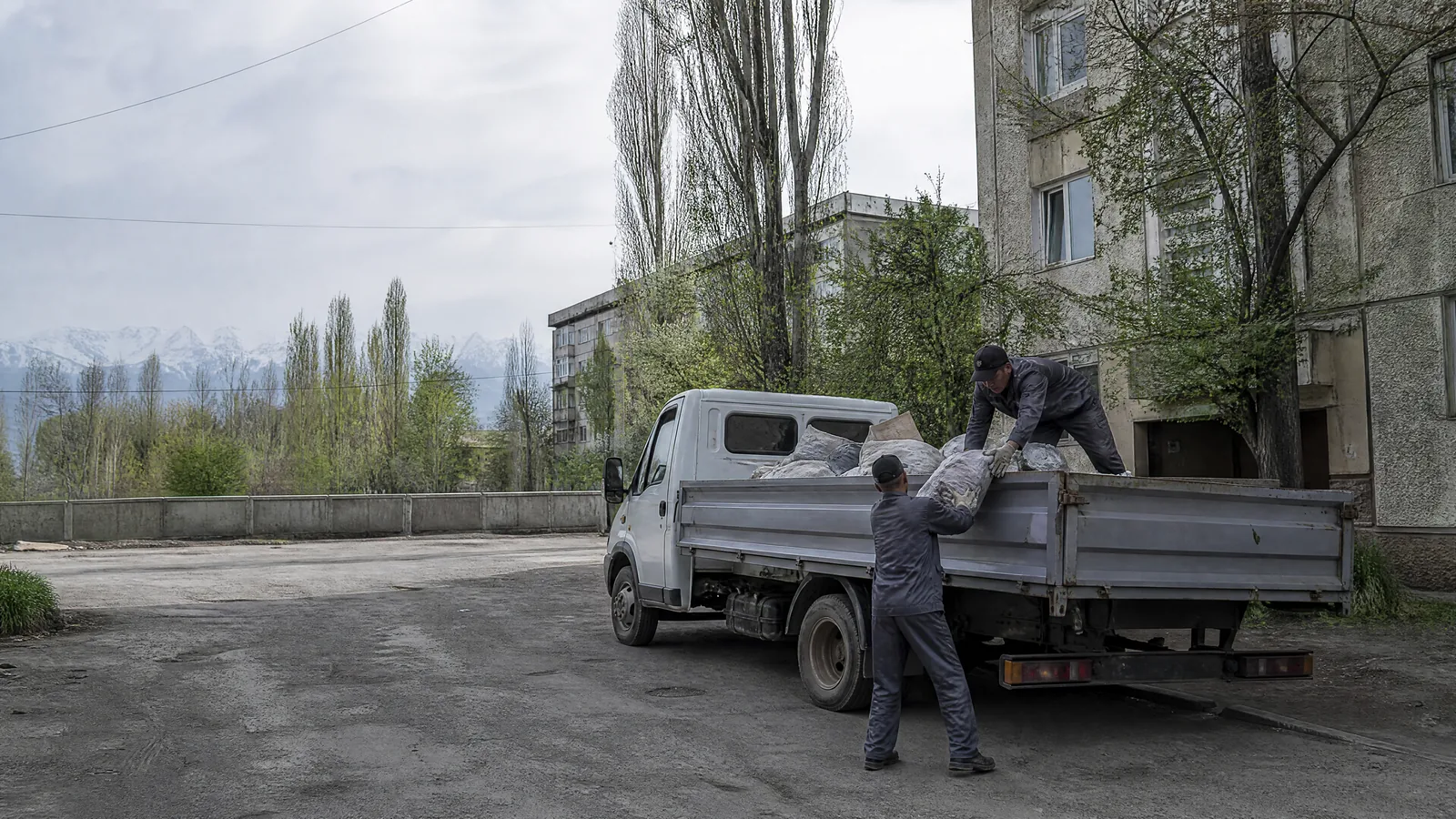
We were cleaning an apartment after tenants. A pile of trash and old mattresses left behind. I called for trash removal. They came quickly, carried everything out, even swept the stairwell.
Tell us the address and roughly how much waste — we'll pick the truck and quote the price before dispatch.
Choose the waste type, timing, truck and extra service — the calculator will show an approximate total. Not sure about the volume? Send a photo of the site, we'll calculate it ourselves.
The figure is approximate. We'll give you the exact amount once we see a photo or know the address and volume.

What one family leaves behind in a week: bags, packaging, old odds and ends. Not much, but carrying it to the yard bin is already a hassle. We pick it up with a GAZelle and loaders.
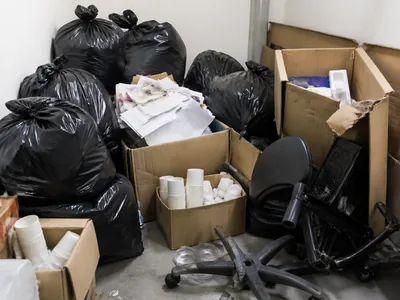
Paper, cups, packaging from office equipment, broken chairs — everything that piles up in the back room and gets in the way. We remove it on a schedule or one-off, bringing the truck to the service entrance.
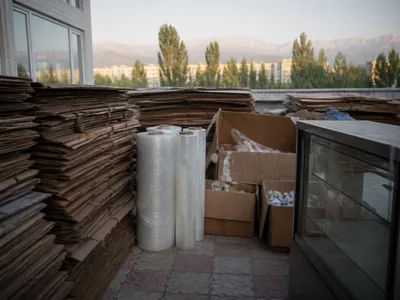
Containers, packaging scraps, spoiled goods, an old display case. Stores usually ask us to pick up before opening so the trash isn't sitting at the entrance in front of customers. We arrive at the appointed hour.

Household trash from the workshop, change room, canteen — not industrial waste, but what the workers themselves leave behind. Regularity matters here; one-off runs won't cut it.

When you clear out a storage room, basement or garage, the bags end up with everything at once: old clothes, dishes, paper, something metal. Nobody's going to sort it into categories, so we take it as solid household waste.
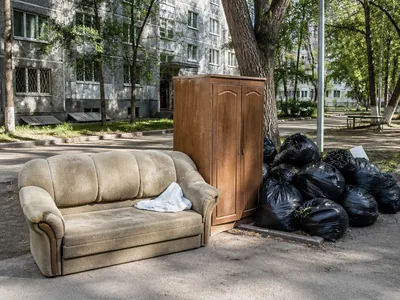
A wardrobe, sofa, fridge next to regular bags — also household waste, just heavy. They need a bigger truck and an extra pair of hands.
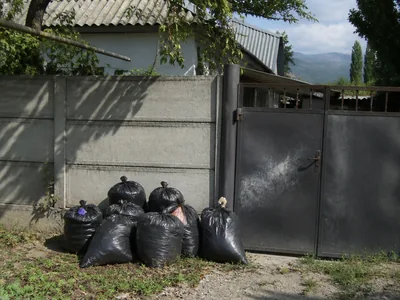
In a private house you can't put a bin by the gate — people collect it in their yard and then wonder what to do with it. We pick up at the address, the truck drives right into the yard if the gate allows.
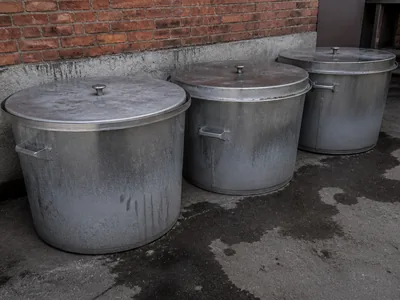
A restaurant or canteen kitchen produces wet waste every day, and it starts to smell within an hour. We collect it in sealed containers so the smell doesn't drift into the dining area or the yard.
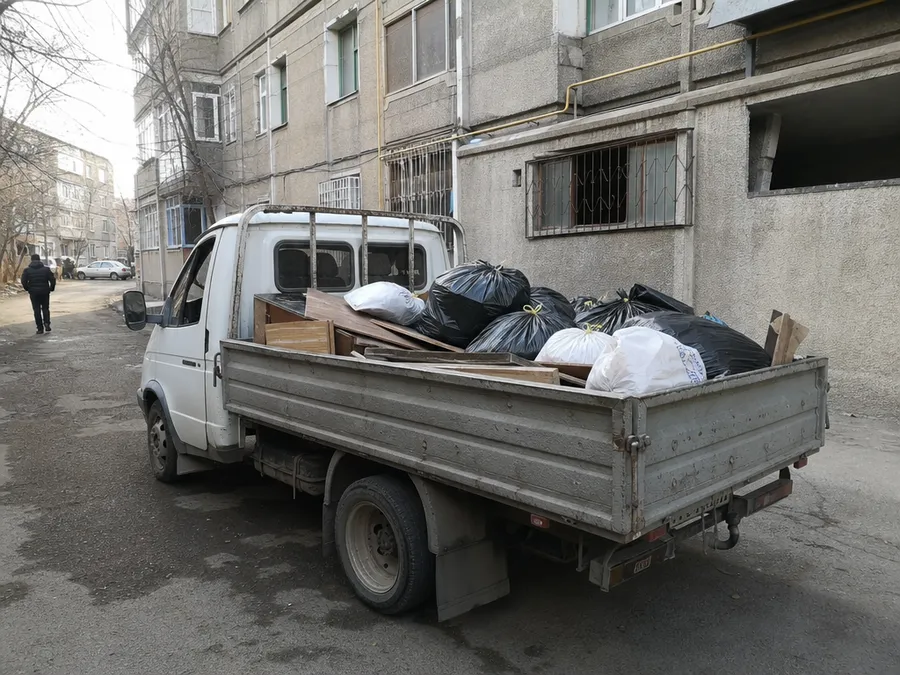
A single 1.5-tonne run is our most frequent order. It works when waste has piled up over a couple of weeks and you need it all gone at once. Loaders come into the apartment, carry the bags out, and the truck leaves for disposal.
Book a GAZelle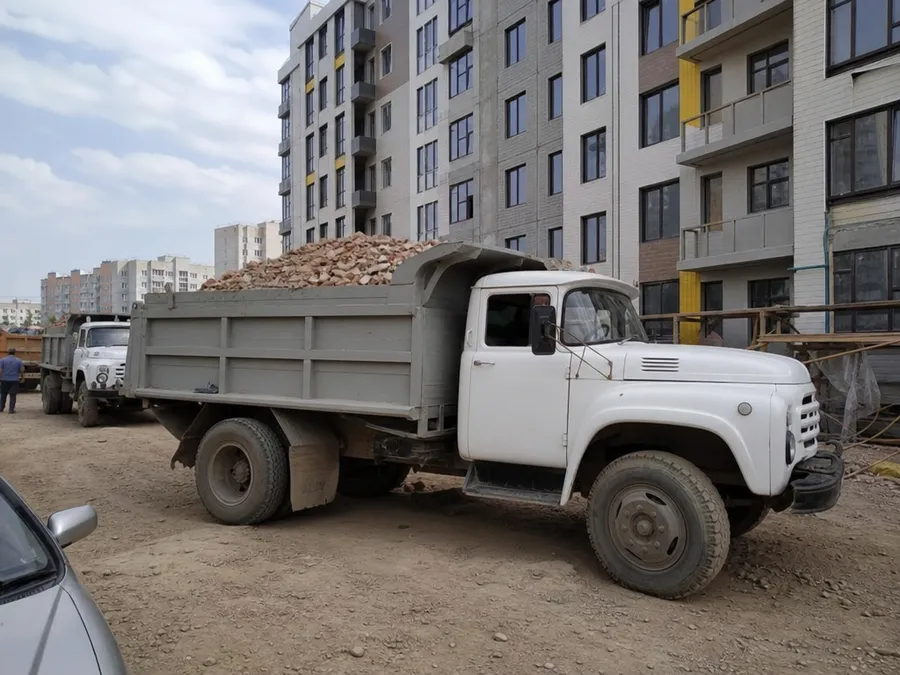
For shops, offices and production sites where the volume no longer fits in a GAZelle. A 5-ton truck takes up to 25 m³, a dump truck is convenient for unloading. We fix the price before dispatch, and don't change it after.
Choose a truck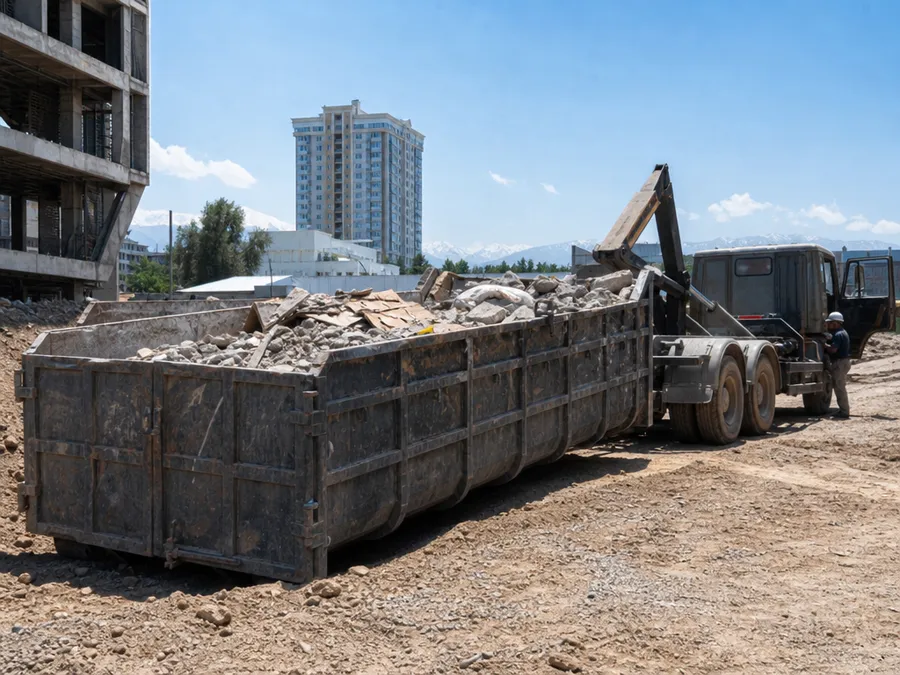
A 32 m³ dumpster is placed on site and you fill it yourself — from a week to a month's worth of cleanup. We pick it up with one truck and sweep the site after loading. We charge by the cube and estimate the volume from photos.
Estimate the volume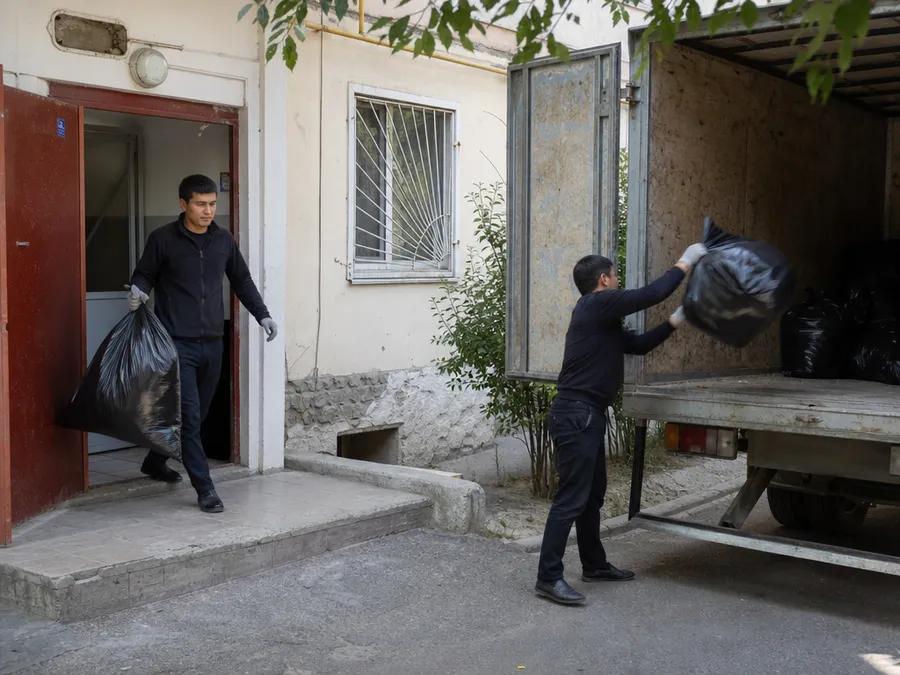
When the waste isn't on the ground floor and has to be carried out of a basement, garage or from the fifth floor with no elevator. The crew brings the bags down, loads them into the truck, and leaves a swept site behind. Loader time is charged separately.
Book a crew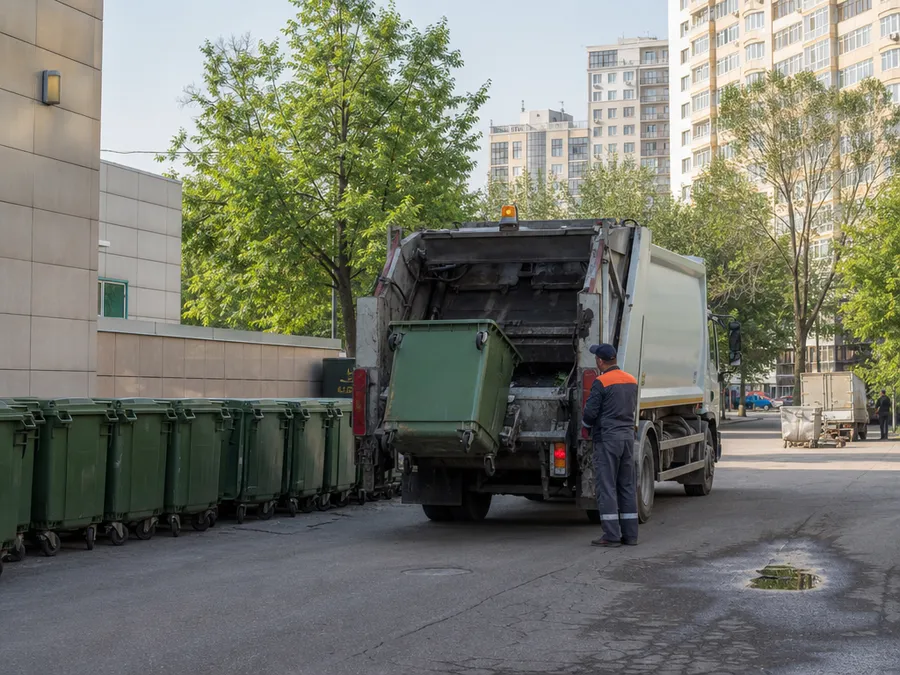
For shops, cafes and offices it's easier not to call every time but to set a schedule — once a week or daily. We calculate the volume as it comes, and you know the price per cubic metre in advance.
Set up a schedule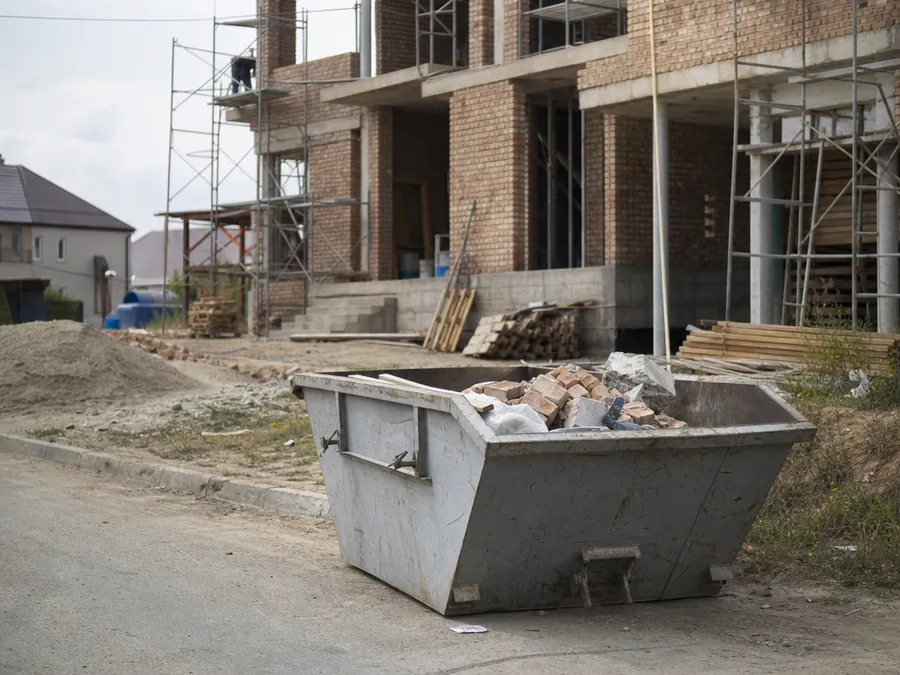
We leave the container in your yard or on site for the agreed time, you fill it, we pick it up. We discuss the term and volume separately — for this option we confirm the price in chat, on WhatsApp.
Message us on WhatsAppEach job gets its own truck: from a 12 m³ GAZelle to dump trucks and bins. Below are specs and price guidelines.




Valid from August 2026 · price per trip within the city
| Equipment | Volume | Payload capacity | Price per trip | Extra hour |
|---|---|---|---|---|
| GAZelle 1.5 t | 12 m³ | up to 1.5 t | 30 000 ₸ | 6 000 ₸ |
| GAZelle 2.5 t | 16 m³ | up to 2.5 t | 35 000 ₸ | 9 000 ₸ |
| Truck 5 t | 25 m³ | up to 5 t | 40 000 ₸ | 12 500 ₸ |
| ZIL dump truck | 7–12 m³ | up to 7 t | 40 000 ₸ | 12 500 ₸ |
| KAMAZ dump truck | 15 m³ | up to 20 t | 55 000 ₸ | 15 000 ₸ |
| Howo dump truck | 25 m³ | up to 40 t | 60 000 ₸ | 15 000 ₸ |
| PUHTO (skip) | 8–10 m³ | up to 7 t | 45 000 ₸ | — |
| Multilift | 20 m³ | up to 12 t | 100 000 ₸ | — |
| Skip | 27 m³ | up to 15 t | 135 000 ₸ | — |
| Max skip | 32 m³ | up to 20 t | 160 000 ₸ | — |
Prices apply within Almaty city limits. Outside the city, mileage is added — we calculate it in chat before dispatch.
Not sure which truck you need? Send a photo — we'll pick one for you.
Message us on WhatsAppSometimes waste removal is only half the job. You need to carry bags out of the basement and sweep the area. We do that too.
Five steps from your WhatsApp message to an empty site. No surprises and no extra charges on site.
Leave a request for waste removalTell us what the waste is and where to pick it up. Photos of the bags or the pile help us estimate the volume more accurately than a description.
From photos or your numbers we figure out the cubic volume and pick the right truck — a GAZelle, a truck or a dumpster. We give you the price right away and lock it in before pickup.
We arrive across Almaty within the agreed window, and same-city dispatch starts from 30 minutes. If you need us to pull into the courtyard or to a service entrance, let us know in advance — we'll pick a vehicle that fits the dimensions.
The movers go inside, carry out the bags and bulky items, and load them into the truck. This is also where we decide if a wardrobe or sofa needs to be taken apart — we do it on the spot.
We take the household waste away for disposal and sweep the area after loading.
On the left — how it looks before we arrive, on the right — after. Typical spots: courtyards, basements, bin areas.
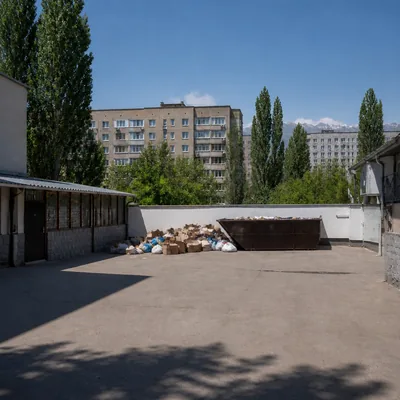
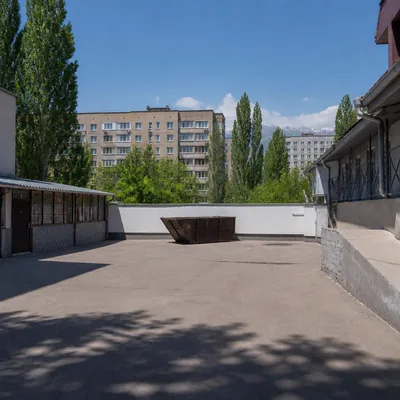
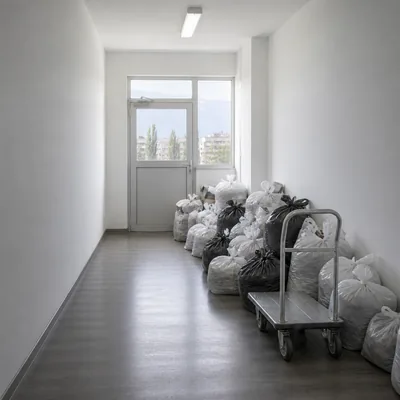
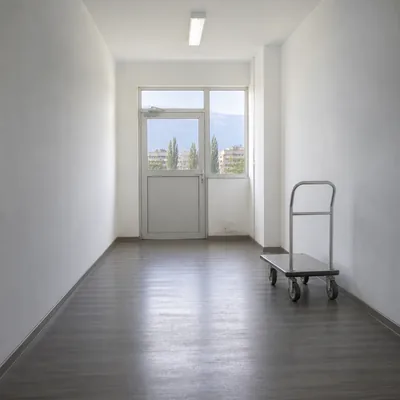
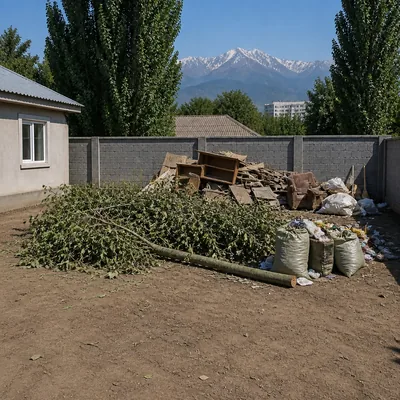
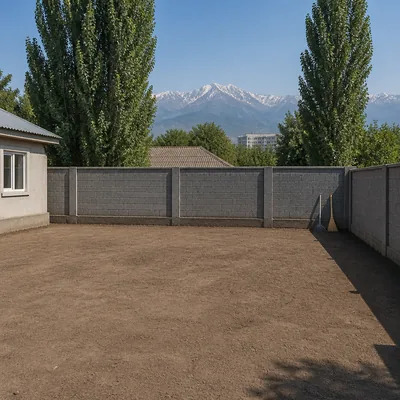
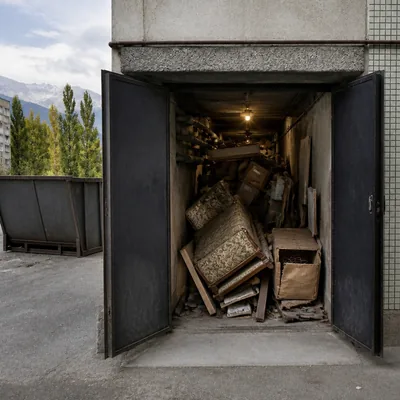
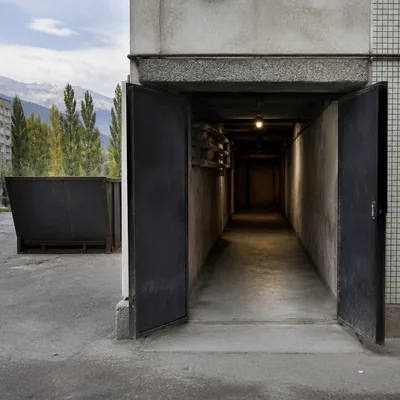
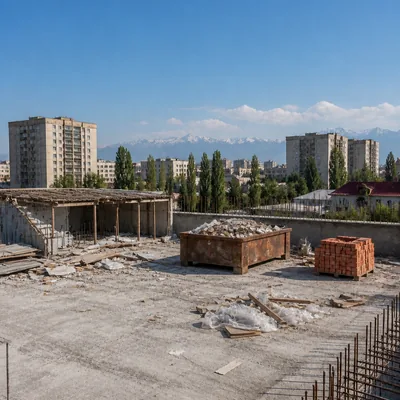
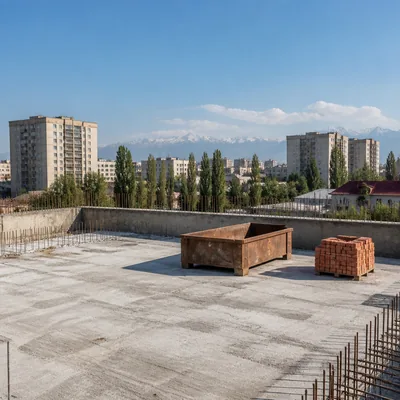
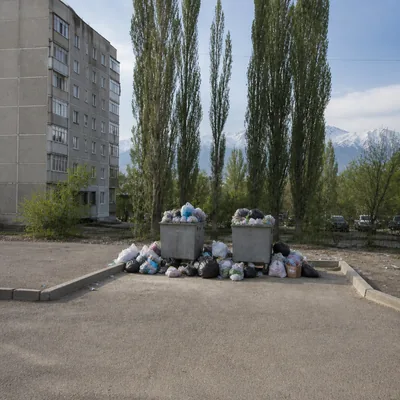
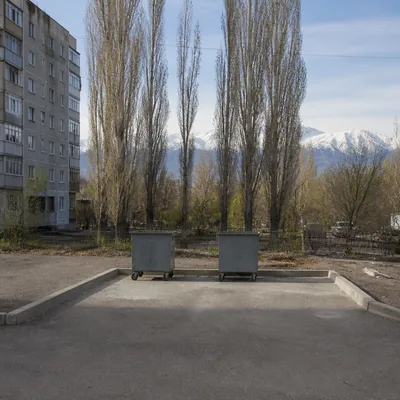
A driver and loaders work on the job. They are also responsible for making sure the waste is taken away and the site is left clean.







Calls usually go like this: "We've had a skip in our yard for three days, no one is taking it away." Or the opposite — "we've accumulated stuff after an office renovation, how many trucks do we need." The difference between these two calls is all in understanding what MSW is. Because here in Almaty, that word covers everything: office papers, old sofas, construction debris, and expired goods from a store. And honestly, those are four different stories in terms of consistency, weight, and loading method.
In short: solid household waste isn't "garbage in general" but a very specific category. Dry, loose, solid. Stuff you can pick up with a shovel or gloved hands and put in a truck bed. Anything that pours, flows, or requires special permits — that's not it. And here's where it gets interesting: it's exactly at the boundary between "still MSW" and "no longer MSW" that half of the estimates clients calculate themselves fall apart.
Below is not an internet instruction manual but what we deal with on jobs. How to estimate volume from a photo, why a 32 m³ skip is sometimes cheaper than two GAZelles, what to do with bulky items, and why the janitor in your yard is not your ally in this matter. Dinara Askarova, logistics.
I'll start with how every order begins: the client opens the closet door and says — all of this. They look at the pile and can't tell if they need one truck or three. Let's break it down by category, because the category determines how many loaders to bring and which truck bed to load into.
This is what leaves your building every day. Bags of paper, cardboard, plastic containers, old wallpaper, rags. This kind of trash isn't dense — it takes up a lot of space but weighs little. Thirty bags from a fifth-floor apartment already need a GAZelle, because the bags won't settle themselves in the back — someone has to stack them.
Offices look about the same, but add cardboard boxes from office equipment and paper archives. Archives are heavier than they look. Five stacks of A4 paper already weigh a hundred kilos, even though they only take up a corner. We estimate this kind of thing on site, not over the phone.
Here's what matters: mixed dry waste is exactly what solid household waste is in its purest form. Nothing bad happens to it — we load it by hand or with a shovel if it's loose. The main thing is not to miss anything among the bags that doesn't belong there. More on that below.
This is where the gap opens up between what the client calls household waste and what actually gets loaded. A sofa for disposal is four cubic meters disassembled and one and a half assembled. Interior doors — if there are ten of them, they fill a GAZelle completely, even though they only weigh about two hundred kilos total.
Wardrobes are a story of their own. A cabinet wardrobe with top compartments won't fit through a doorway assembled, and nobody's obligated to take it apart. We do take it apart, but that's time, and it goes into the quote. Carpets are the trickiest. A rolled-up carpet holds its shape, but in the truck bed it tries to unroll, so we put them in the bottom layer.
By classification, bulky waste is also solid household waste — just with different logistics. You can't squeeze it into a standard container, you can't compact it on site. That means different transport and a different crew.
Tiles, concrete chunks, plaster, drywall, old pipes. By weight, this is the heaviest category of anything that gets brought to the site. A cubic meter of concrete debris is close to two tons, and a GAZelle physically can't haul that, even if it would fit by volume.
Construction debris is often confused with household waste. The difference is fundamental: it needs different transport and often a different disposal site. A dumpster is ordered for it more often than a GAZelle, because shoveling it into an open-bed truck is slow and awkward. And if you add packing film and mineral wool scraps, the volume doubles while the weight barely changes.
Mixed renovation waste is the most common order after an office move. And the most common case where the client underestimates the volume. From experience: if someone says "it's not much," there's always more than not much.
Expired goods from a store, leftovers from a food service warehouse, spoiled food from the fridge. This is organic, and it starts to smell fast. Even in a closed truck bed, the smell gets out through the gaps, and at the site this kind of load is accepted differently from dry waste.
A separate category is expired medicines and household chemicals. They can't go into a general container. If these things turn up in an order, we tell the client before the truck arrives, not after.
The line here is simple. Anything that flows, smells, or needs a permit is not solid waste. Anything dry, hard, and loose is solid waste, even if it's an old wardrobe or a bag of paper. Keep that line in mind when you're estimating volume: it saves both time and money.
You don't have a tape measure handy, and that's fine. We start with what you do know: a bag, a pile, a pallet, the yard area. A bag is almost always 50–60 liters, that's 17–20 bags per cubic meter. A pile — multiply length, width, and height to get the volume, then divide by half — settling after loading. A pallet — a standard Euro pallet is 0.96 cubic meters, but if it has boxes of paper, consider density: office paper is about 0.4 tons per cubic meter. Yard area — if the waste is in a 20-centimeter layer, ten square meters will give you two cubic meters.
Method one — by the bag. Count the bags, multiply by 0.05–0.06 cubic meters. Twenty bags is about one cube, less than a tenth of a GAZelle's cargo space. Method two — by the pile. The main thing here is not to be fooled by the height: loose debris settles after rain, while paper, on the contrary, swells. Method three — by the pallet. If there's one and the load on it is dense, that's roughly 0.8–1 cube. Three pallets with boxes is already three cubes, almost a full GAZelle.
Most often, people underestimate the volume of upholstered furniture. An old sofa seems small until it's sawed apart. Assembled, it takes up two cubic meters; disassembled, three and a half. A sliding wardrobe is four cubic meters if you don't take it apart. That's why it's better to say right away on the phone what you have, rather than guessing "by eye."
Because your eye is trained on a room, not on a truck bed. You see a pile in the corner of the yard and think, "that's nothing." Then that pile fills one and a half GAZelles. Another reason is construction debris. Concrete chunks are heavy: a cubic meter weighs about two tons, and a GAZelle carries one and a half tons. So by weight you can only load 0.75 cubic meters, even though the truck bed is bigger by volume. That's how it goes: the client counts cubic meters, but the truck leaves underloaded.
Paper and cardboard are the opposite case. A cubic meter of paper weighs 400 kilograms, so a GAZelle can take three to four cubic meters if it's only paper. But mixed with furniture, the weight goes up. That's why with solid waste removal it's important not just "how much space" but also "how much it weighs." We always ask if there are heavy fractions: concrete, ceramic tiles, soil.
And one more thing: many people underestimate volume because they're afraid that if they say a lot, a small truck will show up. In reality, it's better to overestimate. If the volume turns out smaller, we won't load everything — but that's better than sending a truck twice. By the way, official trash removal means you know where it's going and you're not paying for air.
Photograph the pile from two angles: front and side, so the height is visible. Put something next to it for scale — a bag, a shovel, a bottle. If it's pallets, photograph one pallet and say how many there are in total. If the trash is in bags, write the number and the approximate weight of one bag. We accept photos on WhatsApp, and estimates from them are more accurate than from a phone description.
A list of what to include in your message — it saves one trip:
These details tell us whether a GAZelle or a skip is needed. And we don't send a small truck where a dump truck is required. By the way, if you're looking for MSW removal in Almaty contacts, mention the district right away in the chat — it speeds up dispatch.
But there are cases when photos don't work. If the trash is spread thin over a large area, or if it's construction dust that won't look the same an hour later, or if the volume is hidden behind a fence. Then you need an estimator to come out. They arrive the same day, measure, and give you an exact number.
A visit is needed if the pile is mixed: paper on top, concrete inside. Photos don't show what's underneath. Another case is when the trash is in a hard-to-reach place: basement, attic, narrow passage. Here it's important to figure out how many people and what equipment will be needed. And the third case is if you're unsure whether it can even be removed as MSW. Then it's better to show a specialist so you don't get turned away at the landfill.
Below is a table to help you match your pile against typical volumes. It doesn't replace an inspection, but it gives you a starting point.
| What we count | Volume, cubes | Weight, tons | How much fits in a GAZelle |
|---|---|---|---|
| 20 bags of 50 L | 1,0 | 0,2 | 1/12 of the cargo space |
| Pile 2×1.5×1 m (loose) | 3.0 (1.5 after compaction) | 0,6 | a full GAZelle |
| Euro pallet with paper | 0,96 | 0,4 | 2–3 pallets |
| Disassembled sofa | 3,5 | 0,3 | a bit more than the bed |
| Construction debris (concrete) | 1,0 | 2,0 | 0.75 (by weight) |
| Office paper, tightly stacked | 1,0 | 0,4 | 3–4 cubes |
From experience, people most often underestimate the volume for furniture and construction debris. Furniture takes up a lot of space, and debris takes up a lot of weight. So when you request solid household waste removal, always specify what's predominant. It's not a whim, it's a way to avoid paying for a second trip.
The first thing people ask on the phone: "What kind of truck will come?" And that's the right question. Because waste removal isn't one service — it's three different technologies, and you choose them not by price but by what's actually lying in the yard and how you can get in.
Let's clear up the confusion right away. A GAZelle is for when the load can be lifted by hand or shoveled. A dump truck is for loose or heavy stuff that needs a tilting bed. A skip is for when there's so much volume you'd wear yourself out carrying buckets. Everything else is details.
A GAZelle takes up to one and a half tons and 12 m³ in the bed. That's office junk, bags after cleaning, old furniture, boxes, appliances. If you're in the Almaly or Bostandyk district, the truck will park at your entrance without a problem. But there's a catch: a GAZelle doesn't like long distances with an overload. If you fill it to the brim with construction debris, the springs will thank you, and you'll get a second trip.
From experience, a GAZelle is when the pile of trash isn't bigger than a GAZelle in volume. Sounds obvious, but clients constantly underestimate. They think a sofa and a wardrobe aren't much. In reality, a sofa takes half the bed, and a wardrobe another third. So if you're unsure, better to take a photo and send it via WhatsApp. We'll tell you honestly from the photo: one trip is enough or not.
A dump truck and ZIL are for heavier and loose stuff. Soil, sand, gravel, construction debris after demolition, old plaster. You can't shovel that into a GAZelle by hand — you need equipment with a tilting bed to unload quickly. A ZIL takes about five tons, a dump truck up to ten. But here it's important to understand: such a truck needs room to maneuver in the yard. If you have a narrow archway and parked cars, the dump truck simply won't get in.
One more thing: loose materials can't be hauled in an open truck bed without sides — they'll fly out. So we either cover it with a tarp or use a dump truck with high sides. It's not overcaution, it's just common practice, so you don't end up collecting your own sand from all over the yard later.
A bin is a big container that gets placed on site, you load it yourself or with our loaders, then a truck picks it up. Capacity — up to 32 cubes. It's for big volumes: knocking down walls, major renovations, clearing a site. But the bin has a hard requirement: access for a manipulator truck. If there are low wires in the yard or an arch under three meters, the bin won't get through.
That's why before ordering we always check the address and ask for a photo of the entrance. Sometimes it's easier to put the bin outside the property and carry the trash there. Takes longer, but it works.
The most common story: a client orders a bin, but we can't get into the yard. The reasons are mundane — a narrow driveway, low branches, a barrier with no key, a concierge who won't let you in. So the truck sits outside the gate while you haul the trash yourself. Or option two: a GAZelle got in, but it was overloaded and got stuck on its belly on the way out.
To avoid that, we ask a few questions before dispatch. Here they are, in order — it's easier not to forget anything:
Items 4 and 5 are the ones people forget most. And they're exactly what determines whether the truck arrives or turns around halfway.
There was a case in the Alatau district: someone ordered a bin to demolish a garage. We get there — and the wires over the entrance are less than three meters high. The manipulator can't get through. Luckily, a neighbor let us drive through his yard. But we lost two hours. Since then I always ask for a photo of the entrance in advance.
Another subtlety: if the waste is mixed — say, old tires together with concrete — that's no longer pure MSW. Tires can't go to the landfill with concrete. You'll have to separate them. And that's where waste removal turns into a separate logistics task. We mention this upfront so there are no surprises at unloading.
And last. Don't chase the biggest truck. Sometimes two GAZelles are cheaper and faster than one dump truck that can't get in for half a day. Count not by bed volume, but by how much time and hands it'll take to load.
If you're not sure at all — message us on WhatsApp, describe it in words. From the description and photos we'll pick a truck that can get in and won't get stuck on the way out.
When I estimate waste removal, I don't look at the bed volume but at how much time and fuel it will take. A 12 m³ GAZelle and a 25 m³ Howo dump truck — the difference isn't just the bed. The first will get into any yard, the second won't. And that immediately changes the quote. If you're in Almaty, the city mileage is one thing. Outside the city — another. That's why waste removal in Almaty is never calculated by a single formula.
Within the city we count from the base to the site and to the landfill. If the site is in Almalinsky district and the landfill is outside the city, that's mileage. Outside the city, kilometres are added both ways. Plus travel time. One trip 30 km out of town can cost as much as two in the city. So when people ask for "construction waste removal Almaty contacts", I always clarify: where exactly is the point. It's not a formality, it's a difference in the quote.
Sometimes a client says: "We're within the city." But in fact, it's Talgar highway, which is no longer Almaty. Or Konaev, which is a completely different region. That's where the mileage comes in. On the map it seems close, but in reality it's 40 km one way. I don't argue, I just calculate honestly. If you're unsure, tell me the address — I'll tell you if it's the city or already outside.
Solid household waste can be light or heavy. Old furniture, paper, plastic — light. Construction debris, soil, broken brick — heavy. A GAZelle will take 12 m³ by volume, but if it's concrete, it will take less by weight. Overloading means a fine and risk. So I always ask: what exactly are we loading. If it's MSW removal, that is mixed, we count by volume. If it's pure construction waste — by weight.
Floor is a separate story. First floor — we carry it out quickly. Fifth floor without an elevator — every cube by hand. That's where loaders come in. Their number depends on what we're loading. If it's office papers in boxes — two people can handle it. If it's sofas and wardrobes — you need four. We don't take an "average" price, because there's no such thing as average. Manual loading is time, and time is money.
People often ask: "Maybe two trips with a GAZelle?" Sometimes yes, if the volume is small and the driveway is narrow. But if the volume is over 15 cubes, two trips aren't half the price. Because each trip means dispatch, loading, the road to the landfill, unloading, return. The second trip repeats all of it. The only saving is that the truck is already on site. But it still has to go to the landfill and back.
If you think smart: one 25 m³ Howo dump truck is more cost-effective than two 12 m³ GAZelles. But not always. If the yard is such that a dump truck can't get in, you'll have to use a GAZelle. Or a 32 m³ dumpster — it's brought in, placed, then taken away. That's another option. I'm not pushing a big run, just showing the difference. The client decides.
Here's what really affects the estimate for tbo removal:
Delivery time doesn't affect the price. If the site is in the center and you can't park the truck during the day, we'll deliver it by nine in the morning or closer to evening, until 21:00, at the same price. So it's better to order MSW removal in the center with some time to spare. If you need it urgently, just say so — we'll send the first available truck, no extra charge.
We fix the price before the truck is dispatched. After loading, it doesn't change. That's the principle. If the actual load is more than you said, that's our oversight at the estimate stage. We don't recalculate upward. But we don't recalculate downward either if the load is less. That's fair on both sides.
To get things straight, I ask a few questions. What are we loading, roughly how many cubes, what floor, is there an elevator, where to take it. If it's household waste — mixed waste — I'll ask about big items. Sofas, wardrobes, fridges take up space but don't weigh much. Better to count them separately. If it's construction debris, I'll ask about weight. Volume isn't the main thing there.
Sometimes the client doesn't know how many cubes they have. Then I ask for a photo. From a photo you can see: a pile in the yard, containers, bags. It helps avoid mistakes. If there's no photo, I estimate from the description. But a photo is better. Once a client said "a couple of bags", and it was a whole room of junk. We didn't recount, but next time he sent photos. It's easier for everyone.
Here's a table showing what the price depends on. There are no numbers in tenge here — only what changes the estimate.
| Factor | When the estimate is higher | When the estimate is lower |
|---|---|---|
| Mileage | Outside the city, far landfill | Within Almaty, close to the base |
| Floor | High floor without an elevator, manual carry-out | Ground floor, elevator, ramp |
| Weight of the load | Construction debris, soil, concrete | Paper, plastic, light furniture |
| Loading | Manual only, equipment can't get in | Dump truck or skip, equipment in the yard |
| Preparation | Furniture assembled, boxes not packed | Furniture disassembled, boxes packed |
| Trips | Two or more trips | One trip with a full load |
The table shows: two trips aren't twice as expensive as one, but not one and a half times either. It all depends on the specific case. If you have household waste in Almaty and you're not sure about the volume, better to call and describe the situation. I'll ask a couple of questions and give you a range. I'll give the exact sum after a photo or an inspection.
And one more thing: don't worry that we'll overcharge. We've been working for a long time and know that reputation is worth more than one trip. If a client says it's expensive, it means we didn't explain well what the sum is made of. We can recalculate, find a cheaper option. For example, take part today, part tomorrow. Or wait until a full load accumulates. It's not greed, it's logistics.
Read this far and still not sure about the volume? Send us a photo — we'll calculate and give you a price.
Message us on WhatsAppThe truck leaves the yard — and then begins the part of the work the client no longer sees. And it's the most tedious. The route looks like this: first, transfer at a staging site (if the body is small), then a landfill or sorting facility. A GAZelle usually doesn't go directly to the landfill — they won't let it in with household waste without a transfer. Here's how it happens step by step:
Why not take everything in one truck? Because light volume (paper, cardboard, packaging) and heavy (brick rubble, soil) behave differently. Paper takes up the body but weighs little. Rubble is the opposite. If you mix them, the truck leaves underloaded by weight, and you lose a trip. So transfer isn't bureaucracy, it's a way to avoid hauling air.
Honestly, not everything gets sorted. At the facilities they pick out what makes sense: metal, plastic, glass, paper. Organics and dirty packaging — no, those go straight to landfill. Bulky items are taken apart by hand: mattress springs, frames, appliances. If there's a fridge in the truck bed, they'll open it up and pull out the compressor — there's non-ferrous metal in there, and it's collected separately. So some of your trash actually goes to recycling, not just into a pit. But don't kid yourself: the recycling rate in Almaty is still low. Most solid waste gets buried. And that's not our fault — that's just the infrastructure.
As for official MSW removal: we take waste where it's accepted, not to an empty lot. No "we'll dump it around the corner" — you can get slapped for that, and we don't take the risk. The client should think about it too: if the waste is hauled off and dumped in the steppe, the person whose name is on the request is the one who answers. So official isn't a scare tactic — it's your own safety.
Sometimes a client asks: "Can you just haul it away and be done?" Sure. But then you don't know exactly where it ends up. We're straight with you: the truck goes to a disposal site, not an empty lot. That's what official waste removal means — there's a receiving party.
Now this is the sorest subject for neighbors. Because the trash is gone, but the traces remain: scattered bits, dust, sometimes a puddle from wet waste. Our job isn't just to load up and drive off. After loading, the site gets swept. By hand, with a broom. It takes ten to fifteen minutes, but without it the neighbors will come out with pitchforks.
From experience, it's the sweeping people remember more than how fast the truck showed up. They'll forgive a truck that's an hour late. But if they're left with a pile of debris after it leaves — they'll call and raise hell. So we have a rule: we don't leave until we've swept. Even if it's an eight-cubic-meter dumpster and only a little spilled. Even if it's raining.
By the way, if there's a management company in the yard, they often ask: "Sweep up after yourselves, or we'll hear it from the residents." We don't argue. It's part of the job, not a favor. And that's a case where waste removal becomes not just your problem but a way to keep good relations with the neighbors.
One more thing: if trash gets scattered along the way — from the entrance to the truck — that's our territory too. Doesn't matter that it's no longer the site but the sidewalk. A rag, a broom, a bag — and off we go. Sometimes a client says: "Come on, the janitor will clean it up." No, he won't. The janitor cleans up what's his, not what we dropped. So we sweep up everything we touched.
It's not an idle question. If the truck pulls out of the yard and something flies out of the bed on the way — that's an incident. The carrier is responsible, meaning us. So the bed gets closed or covered with a tarp if the load is light and flyaway (paper, foam, leaves). Big pieces get tied down. The driver has to check that nothing's loose before heading out.
In practice, most scattering happens not on the road but during loading. That's our responsibility too: if a loader drops a bag and it bursts, the loader picks it up. The client isn't involved. Though sometimes the client starts helping and then waves it off: "I'll do it myself." Don't. We're paid for this, not for you hauling bags.
If the trash was scattered along the road not by us but by, say, a neighbor carrying out their own stuff — that's not our story. But we'll still tell you where to turn if you ask. Not because we have to, but because we know how it works.
And one more thing: if you've ordered waste removal, don't think we'll just show up and drive off. We'll sweep, load, and check that nothing's left behind. Only then does the truck leave for the transfer station or landfill. So the path from the entrance to disposal isn't just the road — it's also order at the place where you live.
Bottom line: waste removal in Almaty isn't just "haul it away and forget it." It's a route, a transfer, sorting, burial, and a swept-up site. All of these are parts of one job. And if even one is done poorly, the client suffers. That's why we do all four.
In a yard in Koktem-2, a skip sat for a week. Residents wrote in the building chat, complained, but nobody called. And why? Everyone thought a neighbor had already ordered it. In the end, a woman from the eighth floor called, and waste removal was done the next day. One request — and the problem was solved. But before that, it stank for seven days.
The truck doesn't always make it into the yard. A narrow driveway, a barrier, parked cars — those are the three reasons we can't get to the bin. Let the concierge or the HOA chairman know in advance. Sometimes it's enough to ask neighbors to move their cars for half an hour. If the yard is gated, you'll need a pass. We work from 09:00 to 21:00, so access can be arranged within that window. Don't hesitate — call ahead, it'll save time and nerves.
Sometimes the parking is packed tight. Then we park by the entrance, and the loaders carry the trash out by hand. It takes longer, but it works. The main thing is to warn us that the entrance is awkward. We'll send a smaller truck. A GAZelle can squeeze through where a dump truck can't.
Conflicts over trash are a common thing. Someone thinks the bin is in the wrong spot, someone else is against the noise. If you order a one-time waste removal, neighbors might not get why it's needed. Explain that this is official trash removal, not a spontaneous dump. Calmly, no shouting. It usually helps.
Another situation: neighbors themselves create a spontaneous dump by the entrance. Bottles, old stuff, construction waste. Then you need to go through the management company or the akimat. We can haul it away one time, but the problem will come back if things aren't put in order. The key here isn't just to clean up but to find the source. From experience, it's usually one or two people who are too lazy to walk to the container.
If a pile has formed in the yard, complain to the KSK or the akimat. They're obliged to respond. But sometimes the complaint drags on and the trash just sits there. Then it's easier to order a one-time waste removal. We'll come, load it up and haul it away. It's faster than waiting.
What does a complaint achieve? Sometimes a fine for the offender. Sometimes just a cleanup. But if the dump is on your property, the responsibility might fall on you. So it's better not to let it get that far. And don't count on someone coming to clean it up. Almaty is strict about this, but bureaucracy isn't going anywhere. We don't handle legal issues, but we can physically remove the trash.
One-time removal is for when things have piled up. A regular schedule is for when trash is generated constantly. For a cafe, office or store, it's better to sign a contract. Then the truck comes on schedule, and you don't have to think about trash removal. For a residential building, one-time requests are often enough. It all depends on the volume.
Here's what's important to understand when ordering:
Let's compare one-time and regular requests in the table.
| Criterion | One-time pickup | Regular schedule |
|---|---|---|
| When it fits | After renovation, moving, or piling up | Daily or weekly |
| Access approval | One-time, with the concierge | Permanent pass |
| Neighbors' role | May object to the noise | Get used to the schedule |
| Responsibility | On the customer until loading | On the company per the contract |
| Complaint frequency | Higher, due to the surprise | Lower, everyone knows the time |
A regular schedule works better for business. One-time pickup is for special cases. And don't forget: if you're ordering solid household waste removal, it's best to say right away whether any bulky items are mixed in. Otherwise the wrong truck will show up.
Sometimes neighbors object because they're afraid you'll create a dump. Show them the contract or just tell them it's official waste removal. That's usually enough. If not, go to the KSK and let them explain. In Almaty, management companies often cooperate if residents complain about unsanitary conditions.
One more thing: if you're renting an apartment, coordinate the removal with the owner. Some landlords don't want their address showing up in requests. It's rare, but it happens. Better to check in advance.
And lastly. Don't try to solve your neighbors' problem at your own expense if the trash isn't yours. Call the KSK and let them sort it out. And if you just need it hauled away, we'll come. Any time from 09:00 to 21:00, no days off.
If you don't have time to read everything, here's the gist. Solid household waste is dry and loose: paper, packaging, old furniture, textiles, warehouse leftovers. Expired goods, slop, and chemicals with hazard labels are a different story, and you order a separate truck for those. Keep that line in mind, and half your money questions will answer themselves.
In Almaty, volume is almost always underestimated. People measure by eye based on the number of bags, but in reality there's one and a half times more to haul. So I'll say it straight: if you're choosing between a GAZelle and a dump truck, go with extra capacity — paying for a bit of unused space is cheaper than a second trip.
First, what exactly the load is. Not "trash," but "broken shelving and bags of paper." Second, where to carry it from: floor, elevator, distance to the truck. Third, when you need the truck: today by noon or tomorrow morning. These three answers usually determine how long loading will take.
Another thing that comes up on site. If there's a barrier or a narrow entrance in the yard, let us know in advance — we'll pick a truck that fits the dimensions. Waste removal from dense downtown buildings differs from removal from an open lot on the outskirts in exactly this way: not by weight, but by access.
Counting bags instead of volume. Forgetting about weight — rubble and soil are heavy, and the truck may hit its load limit before it's full. Not accounting for the fact that some junk can only be taken apart and flattened on site.
And a separate mistake is leaving trash in the yard "until pickup." MSW swells in the rain, cardboard soaks, weight grows. In Almaty in summer this is especially noticeable: within a day under the sun, bags with organics start to smell so bad that neighbors call before we do.
Take photos of the pile from three angles — wide shot, close-up, and from the side so the volume is visible. Message us on WhatsApp or call, give the address and floor. We'll look at the photos, tell you which truck fits, and lock in the price before loading.
After loading, we sweep the area and take the trash for disposal. That's what official trash removal means — no "we'll leave it by the neighbor's dumpster." If you need contacts for the dispatcher or accounting, they're on the page above; I won't repeat them here.
In short: identify the waste type, estimate the volume from photos, give the floor and time. The rest is our job — from dispatch to swept asphalt.
MSW is what you throw out every day: packaging, wrappers, bottles, paper, food scraps, old clothes, broken small items. Construction debris, batteries, tires, fluorescent lamps — that's not household waste, and we haul it separately. If you're unsure about a specific bag, send a photo on WhatsApp and we'll tell you right away. We take mixed waste, but we don't ask you to sort by fraction — that's not our job.
We estimate from photos or description. Usually a snapshot of the pile and rough dimensions are enough: "two meters by one, waist-high." If it's really unclear, we come over, look on site, and give you the price before loading. Honestly: people almost always underestimate the volume, so if you're unsure, send photos from different angles.
Depends on the volume. A couple of bags — a GAZelle, an average yard — a ZIL or KAMAZ, and if it's waste from an entire stairwell or after a renovation — a dumpster. A 1.5-ton GAZelle takes up to 12 m³ and fits into yards where a dump truck can't go. If you're not sure which truck to call — don't guess, describe the situation, we'll pick one ourselves.
A GAZelle run starts at 30 000 ₸, including removal and disposal; loading is separate — a crew from 20 000 ₸. If there's more waste than fits, you pay the difference for the next truck or per cubic meter — 8 000 ₸. The price is locked in before dispatch and doesn't change after, even if there turns out to be more waste than you described.
We pick up from wherever you say: the yard, the basement, the stairwell landing, the apartment. Our loaders carry it out. If the waste is in an apartment and the elevator is out — not a problem, but let us know in advance so the crew is prepared. The price for carrying it out is already included in the run, we don't charge extra.
Then two options: either we wait for a second truck, or you pay for the extra cubic meter. We never dump it in the middle of the yard — either we take it all, or we tell you right away it won't fit and you decide. Usually the second truck comes the same day if the request isn't in the evening.
Yes, we work Mon–Sun, from 09:00 to 21:00. We take evening requests, but if the waste is in a yard where it's noisy — better before 20:00, so we don't get into it with the neighbors. On Sundays and holidays, dispatch may take a bit longer than on weekdays — fewer people on the line.
We take it for disposal, we don't dump it in the tree lines or leave it by a neighboring building. We sweep the area after loading — if anything spilled, we'll clean it up. We don't go into detail about exactly where we take it, but it's not self-hauling and not a shady scheme.
You can, but it's usually slower and more hassle: you need a contract with a company, a schedule, a site. For one-time MSW removal, a private service is faster: message on WhatsApp, agree, truck arrives. We discuss waste handling procedures before removal so there are no surprises.
MSW is what fits in a bag: bags from your apartment, store packaging, office paper. A sofa, wardrobe, old fridge — that's bulky waste, and it's not accepted at the dumpster site. The difference for you is simple: bags are loaded quickly and billed by cubic meters; bulky items need to be carried out, sometimes disassembled, and take twice as long. If you have both, tell us right away — we'll pick a truck for everything at once, not in two trips.
Got a question that's not here? Ask — we'll answer in writing, no call needed.
Message us on WhatsAppWe were cleaning an apartment after tenants. A pile of trash and old mattresses left behind. I called for trash removal. They came quickly, carried everything out, even swept the stairwell.
I ordered trash removal from a private house. I waited a bit longer for the truck than promised, but otherwise everything was fine. The guys came and loaded quickly.
We were replacing the plumbing and had old pipes and a toilet left over. I called and we agreed on the morning.

After office renovation, boxes and old chairs were left. I ordered trash removal. They came at the appointed time and took everything away. They swept the area.
After a flood, a lot of wet junk piled up in our stairwell and nobody wanted to deal with it. I called TRASHOFF, and Yerlan said they'd come by noon. And they did — they hauled away all the MSW and aired out the stairwell. Special thanks for not turning us down.
We needed to clear old documents and furniture from the office. The TRASHOFF guys came quickly and loaded everything up. Liked their work, very satisfied.
After winter we cleaned the yard, bags and branches piled up. The truck came at noon, loaded and took it for disposal. All good.
After a flood in the basement, wet junk had piled up. Couldn't find anyone to haul it away for a long time. Askhat came, they carried everything out and loaded it up. Thanks!
I needed old furniture and household waste removed from the yard. The TRASHOFF crew arrived on time and loaded everything up. They cleaned the yard too — I'm happy.
We tore down an old gazebo on the property. They came, loaded it up, and took it away. Quick and to the point.
We gathered old things on the balcony and decided to have them removed. I called and we agreed on the morning. They arrived right on time and carried everything out carefully.
We ordered trash removal from the market after closing time. Lots of boxes and rotten vegetables left. Yerlan arrived quickly, everything was loaded, the area was swept.
Renovating a two-bedroom, old wardrobes and linoleum. They picked it up fast.
Office trash removal after renovation. They arrived on time and worked fast. I recommend them.
We were clearing a basement in a high-rise on Sain, ten years of junk piled up. They arrived at nine in the morning and loaded in an hour and a half. They even swept the area afterward — the neighbor was surprised.

The neighbors upstairs started a renovation and dumped all their trash in our entryway. I called TRASHOFF and they came within an hour. They hauled away the MSW and swept the entryway.
Ordered MSW removal after cleaning the yard. They arrived quickly, took everything, left it clean. The price didn't change.
Moving out of an old apartment in Almaly district — tons of stuff we didn't need. Dinara estimated the volume from photos and said a GAZelle with loaders would be enough. That's exactly how it went — they hauled away a full truck bed of municipal solid waste. They didn't break anything in the stairwell; the elevator was busy, so they carried everything down the stairs.
I needed old stuff removed from the yard. The guys came quickly and loaded everything up. The price was agreed in advance — no extra charges.
I ordered trash removal from my dacha. Lots of branches and old furniture had accumulated. They came in a GAZelle and took everything away. The price didn't change after loading.
I ordered trash removal from my dacha near Almaty, a lot had piled up. We waited a bit longer for the truck than promised, but in the end they came and took everything. They didn't raise the price, that's a plus.
After renovating the apartment, a lot of construction debris was left, but what they hauled away was specifically MSW. A GAZelle arrived, and they loaded the bags and old furniture. Everything's clean.
They arrived quickly, took everything. Worked carefully, left nothing behind. The price was as agreed, no extra charges.

We were emptying the garage, lots of junk had piled up. I called a truck for trash removal. They arrived on time, loaded and hauled away. Fast and inexpensive.
Ordered MSW removal after renovation. They arrived at the appointed time, loaded everything and left. The price is fair, no hidden fees.
We were renting out an apartment and needed old furniture and mattresses removed. Daniyar came with a crew and they carefully carried everything down from the fifth floor. The trash was taken for disposal, and the area was swept.
We were clearing a space for a shop on Rozybakiev. Lots of boxes and an old display case had piled up. Dinara suggested a dumpster was needed. They delivered and hauled it away the same day.
Trash removal from an auto service lot. Old tires and spare parts had piled up. They came, loaded, hauled away. Worked fast and without unnecessary talk.
I needed to clear out old furniture and household waste from an apartment in Almaty. They arrived at eight in the morning and loaded everything in an hour. They even cleaned up the yard — I'm happy.
We were dismantling a summer kitchen at the dacha. I ordered a dumpster — they delivered it and hauled it away full. Happy with it.
We were clearing out the storage room, old things and jars had piled up. I called a truck for trash removal. They came by noon and carried everything out themselves. Fast and no questions asked.
We were closing a cafe on Abay, left with a pile of containers and furniture. Askhat came, took one look, and said one GAZelle wasn't enough. They brought a dumpster and hauled all the MSW at once.
We were tearing down an old shed on the property. Needed to haul away solid waste. They came, loaded the boards and junk. Worked carefully, didn't leave anything behind.
We were clearing out the garage and they hauled away tires and junk. Fast, no unnecessary questions.
Showing 3 of 34
Want the same? Describe your task — we'll calculate and give you a price before the truck arrives.
Message us on WhatsAppChecked us out? Drop us a line — we'll pick the right truck for your load.
Message us on WhatsAppCollection, sorting, crushing, secondary raw materials — the steps in order and what actually gets recycled.
How medical and industrial waste differ from household waste and what's required of the hauler.
Illegal dumps on the outskirts, soil and groundwater: what happens when waste goes to the wrong place.
Articles of the Administrative Offenses Code of Kazakhstan, amounts in MCI for 2026, and who's responsible for the garbage — the carrier or the client.
If you need a truck to pick up solid household waste tomorrow — message us on WhatsApp. Tell us the address and volume, we'll pick the right vehicle and give you a price before dispatch.
Tell us how the pickup went — it helps us and anyone choosing a hauler.



